Tag: health

  • ‘I didn’t want others to know I had miscarried’

    ‘I didn’t want others to know I had miscarried’

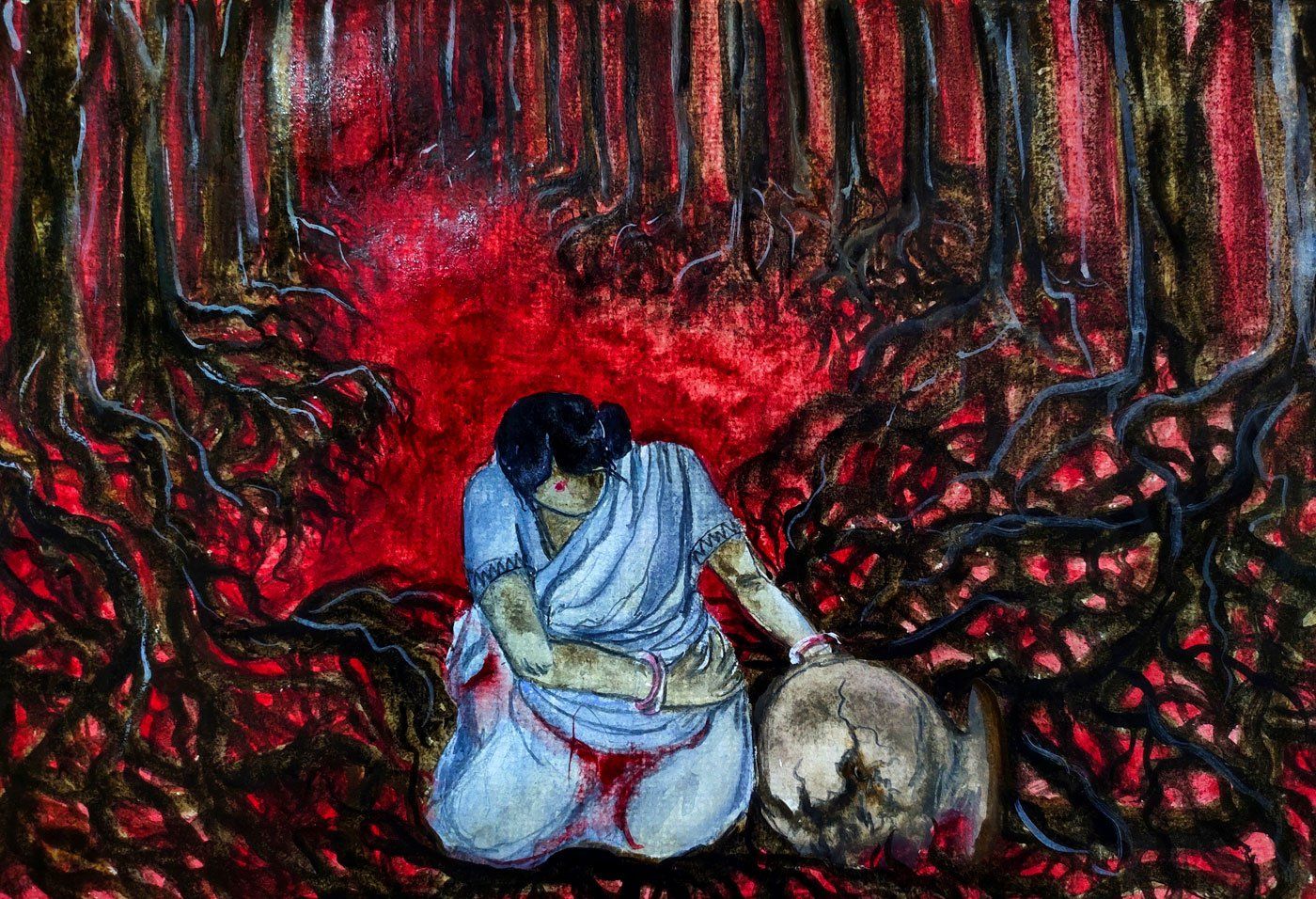
    Illustration by Labani Jangi

    Published in People’s Archive of Rural India. 10 March 2022

    All of 22 and already worn down by health problems for over three to four years, as Meenu Sardar stepped out to fetch water that summer morning in 2021, nothing could have warned her that the worst was about to come. The stepway leading to the pond in Dayapur village was broken in places. Meenu slipped and tumbled down the stairs, falling face down.

    “I had excruciating pain in my chest and stomach,” she recounts in Bengali . “I started bleeding from the vagina. When I went to the bathroom, something slipped out of me and fell to the floor. I noticed a flesh-like substance coming out of me. I tried to pull it out, but I couldn’t extract the whole thing.”

    A visit to a private clinic in a nearby village confirmed the miscarriage. Meenu, tall, thin, and wearing a smile despite her worries, had irregular menstrual cycles since then, along with acute physical pain and emotional distress.

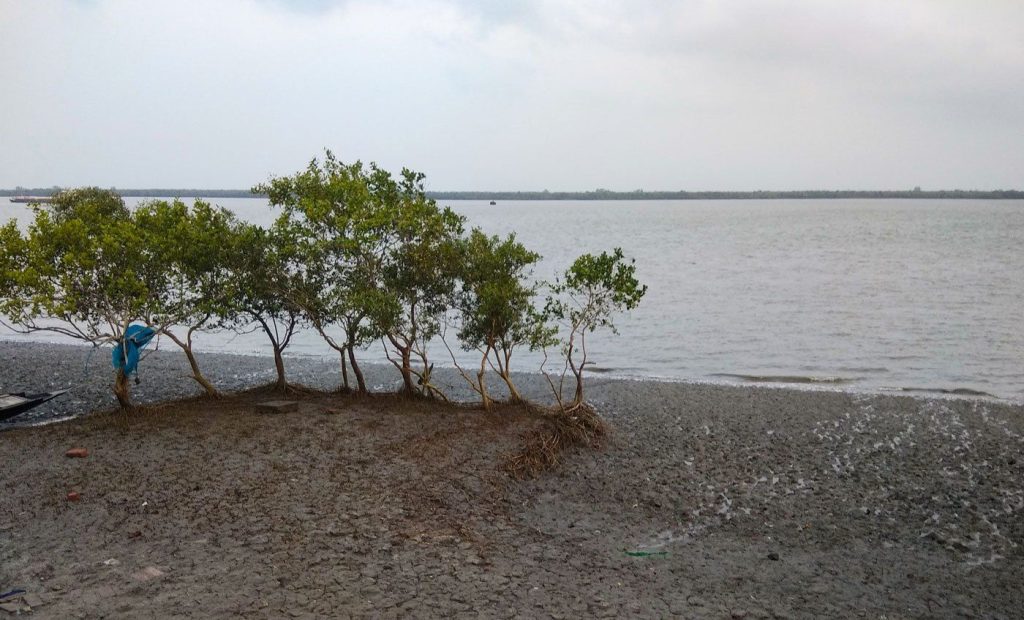
    Her village in the Gosaba block of West Bengal’s South 24 Parganas district has a population of about 5,000. Lush with sprawling paddy fields and the mangrove forests of the Sundarbans, it is among only a handful of interior villages in Gosaba that are connected by road.

    Meenu was bleeding without a break for more than a month after the fall, and that was not the end of her suffering. “Sharirik somporke eto byatha kore [sexual intercourse is so painful],” she says. “It feels as if I am being torn apart. When I have to pass stools and exert pressure, or when I lift heavy objects, I can feel my uterus coming down.”
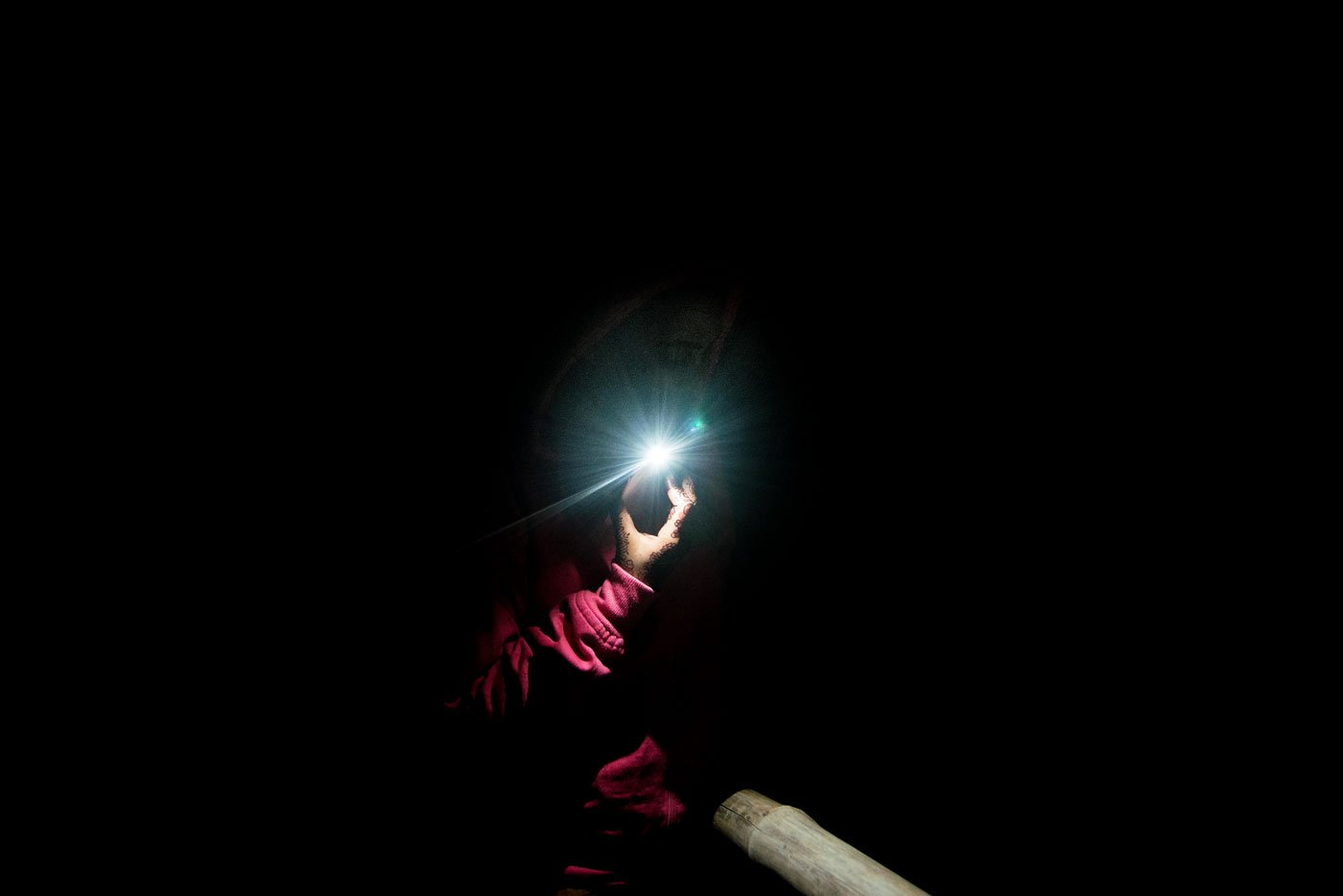
    Meenu Sardar was bleeding for over a month after a miscarriage. Photo: Ritayan Mukherjee

    Circumstances and conditioning deepened her misery. On suffering vaginal bleeding after the fall, Meenu, who did not study beyond Class 10,  decided not to consult the ASHA worker (Accredited Social Health Activist) in Dayapur. “I didn’t want her to know,” she says, “because others in my village might have come to know about my miscarriage. Also, I don’t think she would have known what to do.”

    She and her husband, Bappa Sardar, had not been planning a baby, but she was not using any contraception at the time. “I didn’t know about family planning methods when I got married. Nobody told me. I learnt about them only after I miscarried.”

    Meenu is aware of the sole woman gynaecologist posted at the Gosaba Rural Hospital, about 12 kilometres from Dayapur, but she was never available. There are two Rural Medical Practitioners (RMPs), unlicensed healthcare providers, in her village.

    Dayapur’s RMPs are both men.

    “I was not comfortable disclosing my problem to a man. Also, they don’t have expertise,” she says.

    Meenu and Bappa visited several private doctors in the district, and one in Kolkata too, spending more than Rs. 10,000, but with little luck. The couple’s only source of income is Bappa’s salary of Rs. 5,000 from a small grocery store where he works. He borrowed from friends to pay for the medical consultations.

    A course of pills from a homeopath in Dayapur restored her menstrual cycle eventually. She says he was the only male doctor she felt comfortable discussing her miscarriage with. An abdominal ultrasound that he advised to diagnose her continuing vaginal discharge and acute discomfort will have to wait until Meenu has saved enough money.

    Until then, she cannot lift heavy objects, and has to frequently rest.

    Meenu’s circuitous route to access healthcare is a common narrative among women in villages of the region. A 2016 study on health system actors in the Indian Sundarbans says residents here lack choices in healthcare. Publicly funded facilities are “either non-existent or non-functional”, and the functional facilities may be physically inaccessible due to the terrain. Filling this gap is an army of informal healthcare providers, “the only resort in normal times as during climatic crisis,” notes the study, which examines the social network of RMPs.

    *****

    This was not Meenu’s first nagging health problem. In 2018, she suffered from an itchy rash all over her body. As angry red boils covered her arms, legs, chest and face, Meenu could feel her arms and legs swelling. The heat worsened the itching. The family spent nearly Rs. 20,000 on doctor consultations and medicines.

    “For more than a year, this was my life – just going to hospitals,” she says. Recovery was slow, leaving her with a persistent fear that the skin ordeal may return.
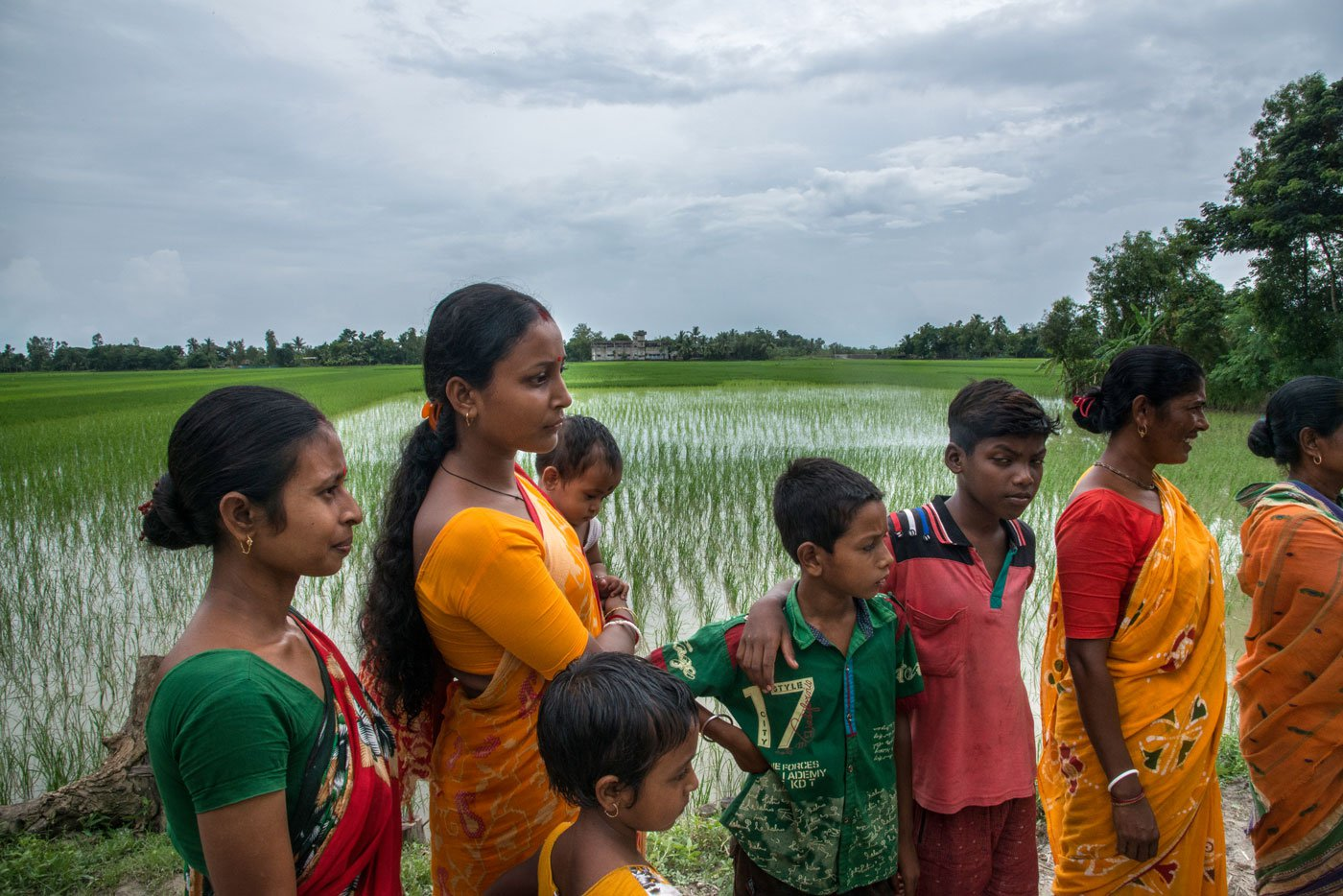
    The high salinity of water is one of the major causes of gynaecological problems in these low-lying islands in the Bay of Bengal. Photo: Ritayan Mukherjee

    Less than 10 kilometres from where Meenu lives, 51-year-old Alapi Mondal in Rajat Jubilee village recounts a strikingly similar story. “Three or four years ago, I suffered intense itching all over my skin, sometimes so severe that there would be pus oozing out. I know many other women who suffered the same problem. At one point, every family in our village and the adjoining villages had someone whose skin was infected. The doctor told me it was some kind of a virus.”

    Alapi, who is a fisherwoman, is better now, having been on medication for nearly a year. She was able to consult doctors at a charitable private clinic in Sonarpur block at only Rs. 2 per visit, but the medicines were expensive. Her family spent Rs. 13,000 on her treatment. Visiting the clinic involved a journey of 4-5 hours. Her own village has a small government-run clinic, but she didn’t know about its existence then.

    “After my skin problems worsened, I stopped going to fish,” she says. Earlier, she used to wade off the riverbank, often neck-deep in water for hours, dragging her net behind her for tiger prawn seedlings. She never resumed working.

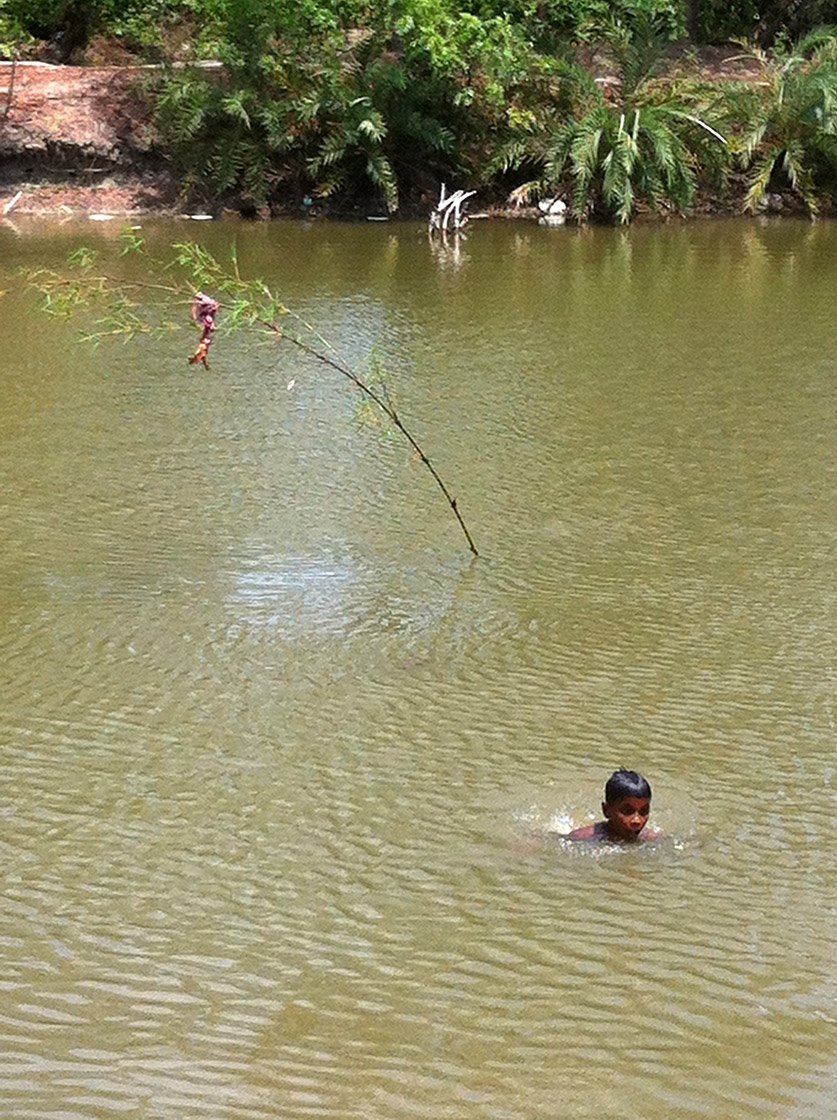
    Several women in Rajat Jubilee have experienced skin conditions, for which they blame the highly saline water of the Sundarbans.

    In an essay on the impact of the water quality on local livelihood, in the book Pond Ecosystems of the Indian Sundarbans , author Sourav Das writes that women suffer skin diseases from using saline pond water for cooking, bathing and washing. Prawn seed farmers spend 4-6 hours a day in saline river water. “They also suffer from reproductive tract infection by the use of saline water,” he notes.

    Research has shown that the abnormally high salinity of water in the Sundarbans is on account of rising sea levels, cyclones and storm surges – all portents of climate change – in addition to shrimp farming and reduced mangrove cover. Salt water contamination of all water resources, including drinking water, is typical to the large river deltas in Asia.

    “In the Sundarbans, the high salinity of water is one of the major causes of gynaecological problems, especially a high rate of pelvic inflammatory disease,” says Dr. Shyamol Chakraborty, who practises at Kolkata’s R.G. Kar Medical College and Hospital and has conducted medical camps across the Sundarbans. “But salt water is not the only reason. Socio-economic status, ecology, the use of plastic, hygiene, nutrition and healthcare delivery systems all play an important role.”

    According to Dr. Jaya Shreedhar, senior health media advisor to Internews, an international media support organisation, women in this region are exposed to saline water for 4-7 hours a day, particularly the shrimp farmers. They are vulnerable to a host of afflictions including dysentery, diarrhoea, skin diseases, cardiovascular diseases, abdominal pain and gastric ulcers. Saline water may lead to hypertension, especially in women, affecting pregnancies, and sometimes causing miscarriages.
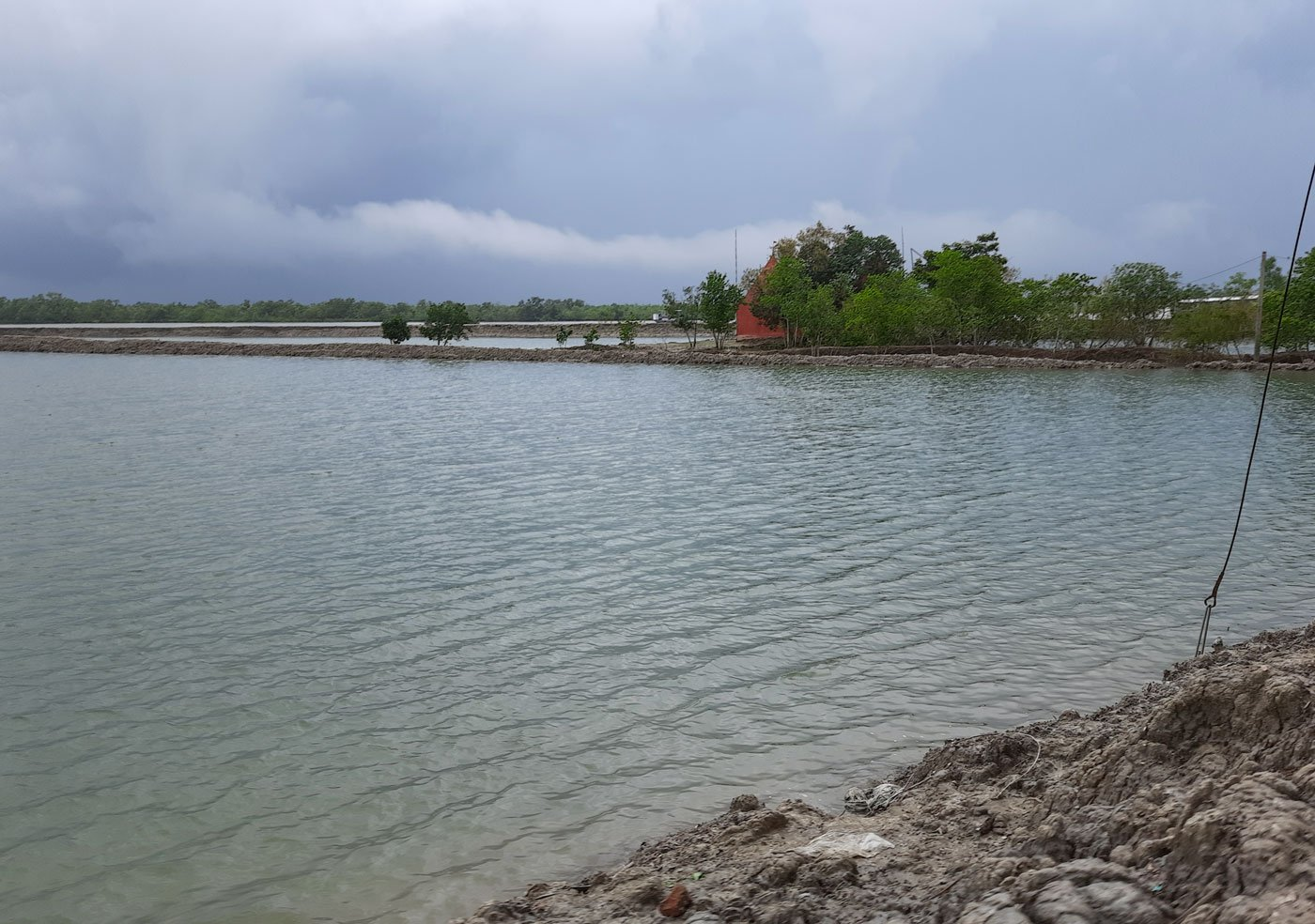
    High levels of salt content in the Sundarbans water makes the women susceptible to skin diseases. Photo: Urvashi Sarkar

    Among people in the 15-59 age group in the Sundarbans, women have a disproportionately higher burden of ailments than the men, observed a study in 2010.

    Anwarul Alam, coordinator of a mobile medical unit run by Southern Health Improvement Samity, an NGO in South 24 Parganas providing medical services in remote areas, says their travelling medical unit receives 400-450 patients a week in the Sundarbans. About 60 per cent are women, many with skin complaints, leucorrhoea (vaginal discharge), anaemia and amenorrhoea (absence of or irregular menstruation).

    Alam says the women patients are malnourished. “Most fruits and vegetables are brought by boat to the islands and not locally grown. Not everybody can afford them. The increasing heat during summers and shortage of fresh water is also a major cause of ailments,” he says.

    Meenu and Alapi eat rice, dal , potatoes and fish on most days. They eat few fruits and vegetables as they do not grow them. Like Meenu, Alapi too has multiple maladies.

    About five years ago, Alapi experienced excessive bleeding. “I had to undergo three surgeries to get my jarayu [uterus] removed after a sonography revealed a tumour. My family must have spent more than 50,000 rupees,” she says. The first surgery was to remove an appendix, and the other two were for a hysterectomy.

    It was a long journey to the private hospital, located in Sonakhali village of the neighbouring Basanti block, where Alapi’s hysterectomy was performed. She had to take a boat from Rajat Jubilee to the ferry ghat in Gosaba, another boat to the ferry ghat in Gadhkhali village, and from there a bus or shared van to Sonakhali – the entire journey took 2-3 hours one way.

    Alapi, who has a son and a daughter, knows at least four or five other women in Rajat Jubilee who underwent total hysterectomies.

    One of them is Basanti Mondal, a 40-year-old fisherwoman. “The doctors told me my uterus had a tumour. Earlier, I had a lot of energy to go fishing. I could work very hard,” says the mother of three. “But I don’t feel as energetic after my uterus was removed.” She paid Rs. 40,000 for the surgery at a private hospital.

    The National Family Health Survey-4 (2015-16) noted that 2.1 per cent of women aged 15 to 49 years in rural West Bengal had undergone hysterectomies – marginally higher than the urban West Bengal rate of 1.9 per cent. (The all-India rate was 3.2 per cent.)

    In an article published in the Bengali daily Anandabazar Patrika in September last year, journalist Swati Bhattacharjee writes that in the Sudarbans, women as young as 26-36 years have undergone the surgery to remove their uterus after complaining of vaginal infection, excessive or irregular bleeding, painful sexual intercourse or pelvic inflammation.

    Unqualified medical practitioners scare these women of having uterine tumours and subsequently into undergoing a hysterectomy at a private hospital. According to Bhattacharjee, profiteering private clinics take advantage of the state government’s Swasthya Sathi insurance scheme that provides a cover of up to Rs. 5 lakh annually for beneficiary families.

    For Meenu, Alapi, Basanti and millions of other women in the Sundarbans, sexual and reproductive health problems are compounded by the difficulties in accessing healthcare.

    Basanti travelled five hours from her home in Gosaba block for her hysterectomy. “Why can’t the government have more hospitals and nursing homes? Or even more gynaecologists?” she asks. “Even if we are poor, we don’t want to die.”

    The names of Meenu and Bappa Sardar, and their location, have been changed to protect their privacy.

    Read the original article: https://ruralindiaonline.org/en/articles/i-didnt-want-others-to-know-i-had-miscarried/

  • Systematically terrorised: Rohingyas face severe health restrictions in Myanmar

    Systematically terrorised: Rohingyas face severe health restrictions in Myanmar

    Photo: Urvashi Sarkar

    Published in The New Arab. 15 May 2018

    The year was 2008. Gultaz Begum was pregnant and days away from delivering a baby. Her husband and an uncle helped her cross the mountains of Rakhine state, Myanmar into neighbouring Bangladesh. Travelling at night without passports, the three made it to Cox’s Bazar district, under the cover of darkness. Kusum Fatema was born, a day or two later, on February 8 in a government hospital in Cox’s Bazar, Bangladesh.

    Why did Gultaz, a Rohingya Muslim, not give birth to her daughter in Myanmar? Gultaz says she was admitted in a government hospital in Rakhine state.

    “I was poorly treated at the hospital. The nurses mocked me, were careless and made me feel unsafe. When my husband demanded my release, the hospital refused. They let me go, only after my family placed a great deal of pressure on them and paid a lot of money,” she said.

    Ten years later, Gultaz, her husband and three children are among the thousands of Rohingyas who live in Kutupalong and other refugee camps in Cox’s Bazar, following the August 2017 violence by Myanmar’s military which forced them to leave the country.

    The government of Myanmar does not recognise Rohingyas as citizens and has been systematically terrorising and forcefully displacing them, since many years. They face discrimination and severe restrictions in practically all areas of life – freedom of movement, in the practice of religion, access to healthcare and education, marriage and the number of children they can have.

    “Even when sick, we were stopped from going to hospitals, which were also far from our homes. We would be turned away at the checkpoints by police or military unless we paid bribes. Those of us who did manage to reach a hospital, would either be denied admission or charged exorbitantly to be admitted,” says Gultaz. According to her, even after being admitted to a hospital, the Rohingyas were not assured of reliable treatment.

    “As a result, and because we were scared, we stopped going to hospitals. When we fell ill, we would consult rural medical workers who are barely qualified. Those who could afford it, went to Bangladesh for treatment. The rest simply died.”

    Tasmina Begum who is in her mid-20s and fled Rakhine state in August 2017, too has a traumatic experience to share. A pregnant Tasmina did not go to the hospital to deliver her baby. When she developed fever, she took medicines prescribed by a local medic.

    “After taking the medicines, I bled severely and lost the baby. But I was too scared to go to a hospital. I went to Bangladesh where I had a blood transfusion done at a private hospital in Cox’s Bazar.”

    Dr Mohammed Abdus Salam, a government appointed civil surgeon at Cox’s Bazar who has been treating Rohingya patients, attests to the poor health of the refugees.

    “Malnutrition is high, especially among women and children – 161 cases of HIV have been detected since March 2018. Most people have not received vaccination and suffer from measles, rubella, diarrhoea, cholera and diphtheria.”

    Diphtheria became a major source of worry for the Bangladesh government which had nearly eradicated the disease among its people.

    To prevent a fresh outbreak, the government with the help of aid organisations started mass vaccination programmes for the Rohingyas, local communities, and aid workers.

    According to Dr Salam, the refugees who arrived last year were in a traumatised condition because they had been sexually assaulted, injured from mine blasts or gunshots, or had sharp cuts on their bodies.

    A health worker with the International Organisation for Migration (IOM) in Cox’s Bazar and who did not wish to be named, said: “The Rohingyas did not receive information about family planning or maternal health treatment. Even medicines were not freely available, compelling the Rohingya to come to Bangladesh. This is just the tip of the iceberg, since the Rohingyas have been discriminated against in several other ways.”

    Human rights violations against the Rohingyas, including in the areas of health, were highlighted in a report published by Amnesty International last year.

    According to the report, authorities in Myanmar have severely restricted Rohingya from accessing the state hospital in Sittwe, Rakhine state.

    “Only in the most serious of cases will Rohingya patients be accepted, and even then, only after special permission has been given by the Rakhine State authorities and the sick must travel with a security escort. Once admitted, they are placed in separate “Muslim wards” and are vulnerable to extortion and other “fees” from police and hospital porters.” The report described the situation as apartheid.

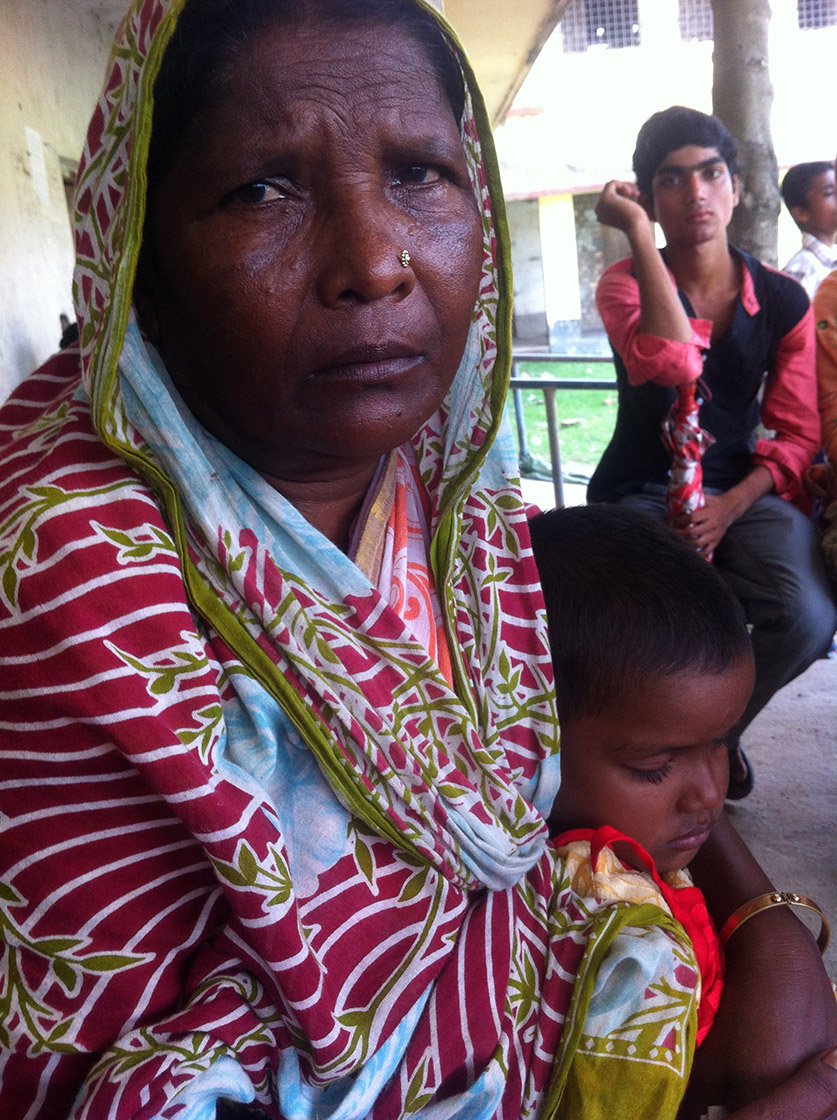
    Photo: Urvashi Sarkar. Najma (L) was beaten up during a brawl in the camp where she lives. In this picture, she is with her mother Romeda Begum at the Ukhia government health complex

    Another report of the Advisory Commission on Rakhine state – established by the Kofi Annan Foundation and Myanmar’s Office of the State Counsellor with the assent of Nobel Peace Prize winner Aung San Suu Kyi – also notes the discrimination and human rights violations of Muslims in Rakhine state.

    Suu Kyi was widely criticised for not coming out against the atrocities on the Rohingyas. This report too acknowledges discrimination against Muslims in Rakhine state, without mentioning the term Rohingya.

    “While all communities suffer from inadequate medical services, access to health is particularly low within the Muslim community in the northern and central parts of the [Rakhine] state. The refusal of some health facilities to treat Muslim patients… prevent ready access to health facilities,” the report says.

    The allegations of genocide and human rights violations have been so far denied by the Myanmar government which has asked instead for “clear evidence.”

    Fortify Rights, an organisation based in South-East Asia and registered in the United States, and which does work in Myanmar, has called for the referring of crimes against Rohingya to the International Criminal Court (ICC).

    “The rights of the Rohingyas have been abused in every possible manner and they have been discriminated against owing to their ethnicity and religion,” said co-founder, Matthew F. Smith.

    “The only way forward is for the UN Security Council to refer the situation in Myanmar to the ICC which should probe the allegations of genocide and prosecute as well.”

    Read the original article: https://english.alaraby.co.uk/english/indepth/2018/5/15/systematically-terrorised-rohingya-refugees-face-severe-healthcare-restrictions

  • In emergencies we are really stranded

    Published in People’s Archive of Rural India. 3 August 2016

    It was only after Fatima Bibi’s newborn died that she came to the community delivery centre for her fifth delivery. All her children – three girls and a boy – were born at home. “The boy died due to a lack of oxygen,” her mother Jamila says. “So we came to the hospital this time.”

    The family hired a van for Rs. 700 for a mere 30-minute journey from their village Rampur to Bayermari village in North 24 Parganas district. “Poor women in our village take the boat to travel to the hospital,” Fatima says. “In high tide it’s very risky. Last year, a heavily loaded boat capsized near Kathkhali during high tide. Some people even died.”

    Fatima’s struggle speaks of the difficulties pregnant women in the Sundarbans frequently face. And this is true for all health concerns – getting medical help is an uphill journey for most people living on these islands.

    The Sundarbans is covered by only a bare patchwork of medical sub-centres – the first contact point for the community with the government’s primary health care system. Each sub-centre is meant to cover 5,000 people. In Paschim Sripatinagar and Purba Sripatinagar villages in South 24 Parganas district, the total population is around 9500 (according to Census 2011). This number will have since grown – so more than 10,000 people are entirely dependent on two ill-equipped sub-centres and a few self-proclaimed local ‘doctors’ for their health care needs.

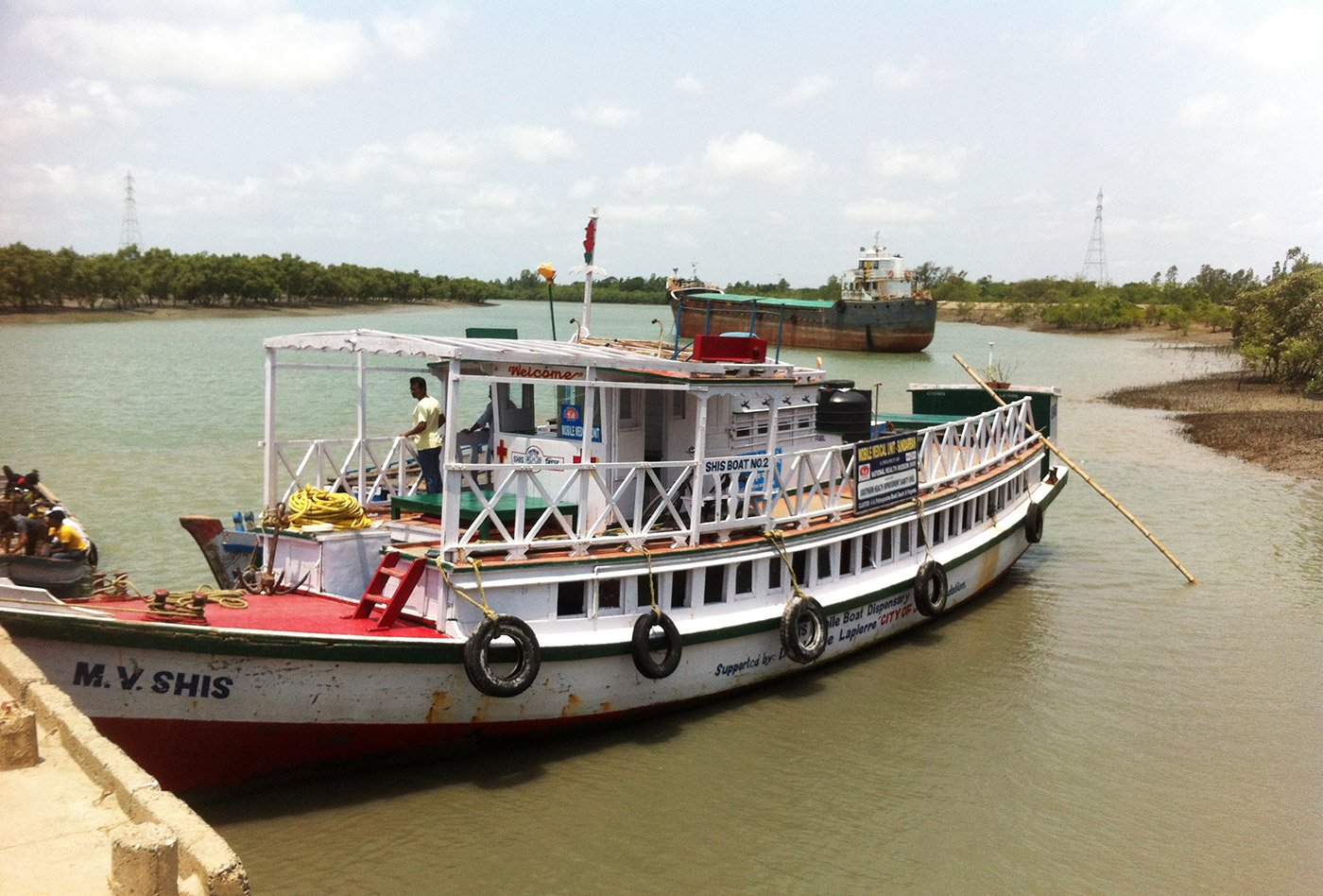
    A mobile medical unit, run as part of the National Health Mission, traverses the waters of the Sundarbans
    The high salt content of water in the Sundarbans can cause many illnesses

    This forces people living in villages like Paschim Sripatinagar, located in remote parts of the Sundarbans, to turn to services like mobile medical units. Some of these units are operated on boats that traverse the waters here. On the day of our visit, a handful of ill and ailing people have formed a small crowd just outside a bare room, which will become a clinic for the day. A medical crew has just arrived after a two-hour journey across the river Shibua.  It is Tuesday, the day designated for the unit to visit this village.

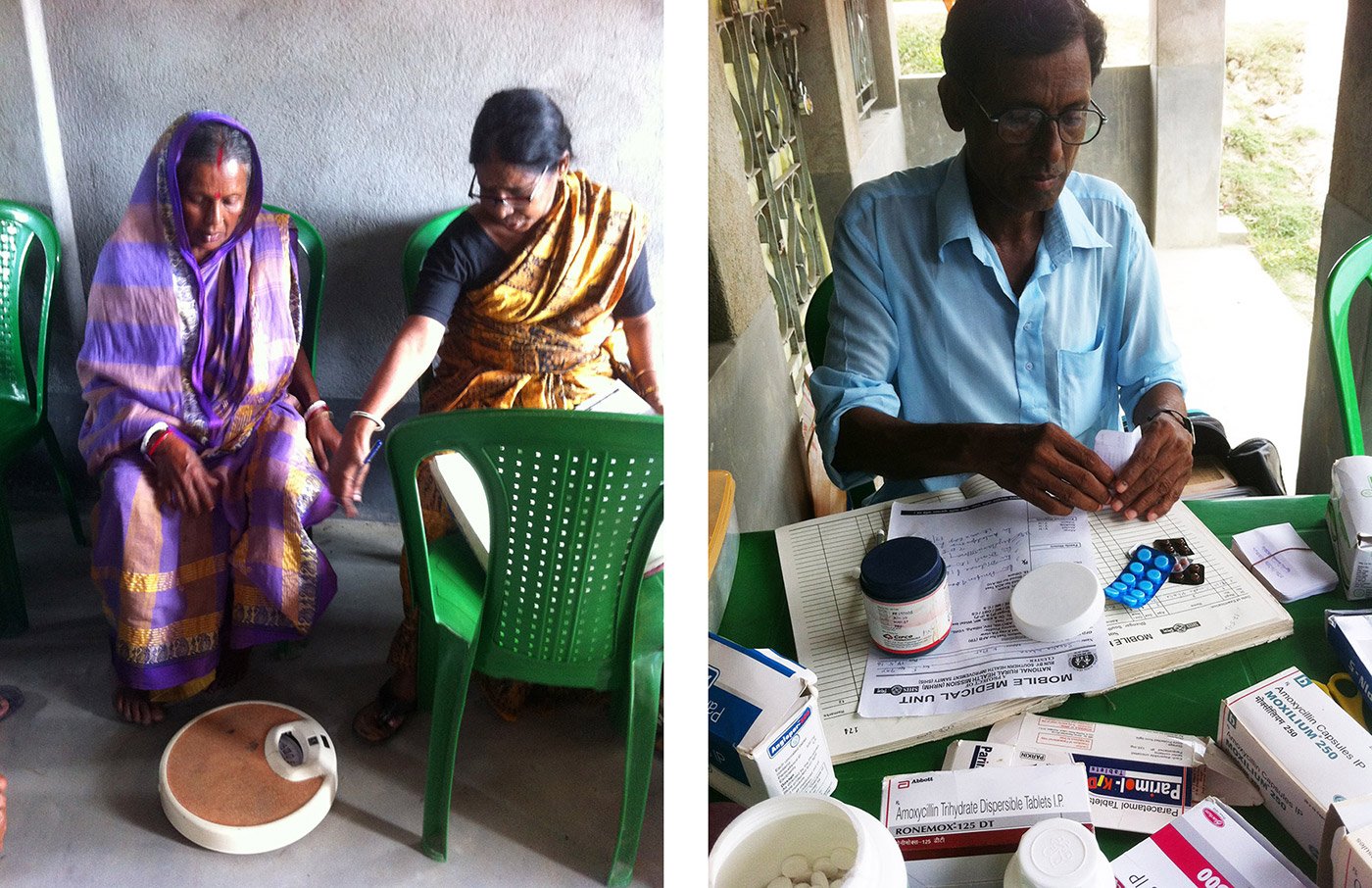
    This mobile clinic is a part of the National Health Mission. The Southern Health Improvement Samity (SHIS) and other non-governmental organisations operate these units to plug the coverage gaps of the two government sub-centres in Paschim Sripatinagar and Purba Sripatinagar, as well as in other parts of the Sundarbans.

    Fewer than 10 such mobile units operate in the Sundarbans – and the islands have a total population of 4.4 million. But many villagers prefer to visit these temporary clinics because getting to the sub-centres can mean crossing difficult terrain, often only to encounter a shortage of qualified doctors.

    In Paschim Sripatinagar, Asha Das has walked from her home to reach the one-room weekly clinic. When ill, walking across semi-formed brick roads with a harsh sun beating down cannot be easy. She speaks of the difficulties of seeking treatment: “Organisations like SHIS operate clinics on one or two days of the week. On all other days, we are dependent on the sub-centre or on quacks.  The [public] hospital at Patharpratima is nearly three hours away and takes at least Rs. 100 to reach. We need to change at least two boats and vans.  In emergencies we are really stranded.”

    Nurse Bulu Samanta and pharmacist Pareshchandra Jana of the mobile SHIS clinic at work

    The most common complaints of the people who visit the mobile clinic, Debjit Maity, of the SHIS says, are arthritis, gout, spondylitis, leucorrhoea, scabies, eczema and boils. Dr. Prasanta Roychowdhury, who sees patients at the SHIS clinic, says the high salt content of the water is a key trigger for many illnesses across the Sundarbans.

    He too speaks of the problems with accessing health care across the Sundarbans: “Doctors don’t want to come here, there is little money and no life. The government does not even give them a place to practice in some areas. Why should they come? So local quacks administer to the people in an unsatisfactory way and even occasionally fleece them.”

    And these health care obstacles are magnified for pregnant women. The government sub-centre in Paschim Sripatinagar is located a short distance away from the SHIS clinic. Inside, two ANMs (auxiliary nurse midwife), Mohima Mondal and Lokhi Bor Mondal, sit at a desk. The centre has two tables to examine patients – there is no bed or electricity. Not a single patient has come here that afternoon, the day of the mobile SHIS clinic. The ANMs say, “We ourselves urge people to visit a qualified doctors, like those of SHIS, when they come to the island.”

    At the sub-centre, treatment is available for basic illnesses, and ante-natal and post-natal care for pregnant women – dispensed by the ANMs, a few ASHA (Accredited Social Health Activist) workers and a male nurse. However, deliveries are not performed there. Lokhi Bor Mondal says, “We have to really convince women to deliver at the hospital [since the distance and cost are real deterrents]. Even the panchayat has had to deploy tactics and say that women will receive birth certificates and ration cards only if they deliver in the hospital.”

    Hamedon Bibi, a ‘daima’ , and her granddaughter Hosnara Khatun, from Mousuni island. 
    An eye camp in process on Mousuni island

    Hamedon Bibi, who works at the sub-centre in Baliara village as a ‘daima’ [traditional birth attendant], is well over 50.  When she started working 14 years ago, her monthly salary was Rs. 25. Now it is Rs. 550. Her work involves helping pregnant women to deliver their babies. She says, “Why do I not receive coloured saris like the ANMs and the ASHA workers? I work so much, but receive no recognition. I do not even receive lunch or food money.”

    A community delivery centre (CDC), established at nearby Lakshmipur village three months ago, has improved the situation to some extent. CDCs, many of them run by NGOs, promote institutional deliveries. Along with government hospitals, they have made it possible for more women here to get such deliveries. But 55 per cent of babies in the Sundarbans are still born at home, according to a 2014 study by the Indian Institute of Health Management Research, Kolkata.

    At times, an NGO fills a few of the health care gaps by setting up a camp. On Mousuni island of Namkhana block, Farida Baig, a villager, is helping set up such a camp organised by the Samaj Unnayan Kendra in a classroom in a rundown school. This NGO also operated a daily medical launch (not part of the National Health Mission) until its funding ran out in 2015. Now it runs occasional health camps, and in May this year it organised an eye camp on the island.

    “The villagers know of the camp because the panchayat made an announcement on a mike,” Farida says. “When we fall ill, we are referred to Dariknagar public hospital which is around 15 kilometres away. But boats are not always available. Sometimes, the hospital has no doctors or oxygen or will not perform caesarean [deliveries]. They then refer us to the Kakdweep hospital, another 35 kilometres away. When pregnant women travel to Kakdweep, they brave non-existent roads and high tides.”

    Patients await their turn to see the doctor on Mousuni island

    And when none these hospitals can help, the islanders go to the bigger hospitals at Diamond Harbour and Kolkata – this involves 5-6 hours of travel and considerable expense.

    Anwar Alam, coordinator of the SHIS’s health programme, feels it is impossible for the government to reach the remotest corners. Talking to me in his office in Ghatakpukur, he says, “How far can they reach? They are also strapped for funds. Whether the mobile medical launches or the CDCs, these are mostly run on the public-private partnership model. The government relies heavily on the assistance of those NGOs which can deliver health services.”

    Debjit Maity adds, “Despite the PPP model, large sections of the Sunderbans in South 24 Parganas district are barely touched by health care – for example, parts of Namkhana, Kultali, Patharpratima, Raidighi, Gosaba and Basanti, and swathes of North 24 Parganas district as well.”

    But Dr. Nilmadhab Banerjee of the Bayermari CDC has a different view: “How long will you blame the broken roads and violent rivers?” he asks. “This situation is not only in the Sundarbans. These are only excuses. There are problems at every level of the health system which need to be addressed, including the challenges that rural doctors face.”

    In the meantime, the people of the Sundarbans continue to take chances with their life and health.

    Photos: Urvashi Sarkar

    Read the original article: https://ruralindiaonline.org/articles/in-emergencies-we-are-really-stranded/

Urvashi Sarkar – 2026 – All rights reserved.

web things by Studio Goncharov