Tag: People's Archive of Rural India

  • In emergencies we are really stranded

    Published in People’s Archive of Rural India. 3 August 2016

    It was only after Fatima Bibi’s newborn died that she came to the community delivery centre for her fifth delivery. All her children – three girls and a boy – were born at home. “The boy died due to a lack of oxygen,” her mother Jamila says. “So we came to the hospital this time.”

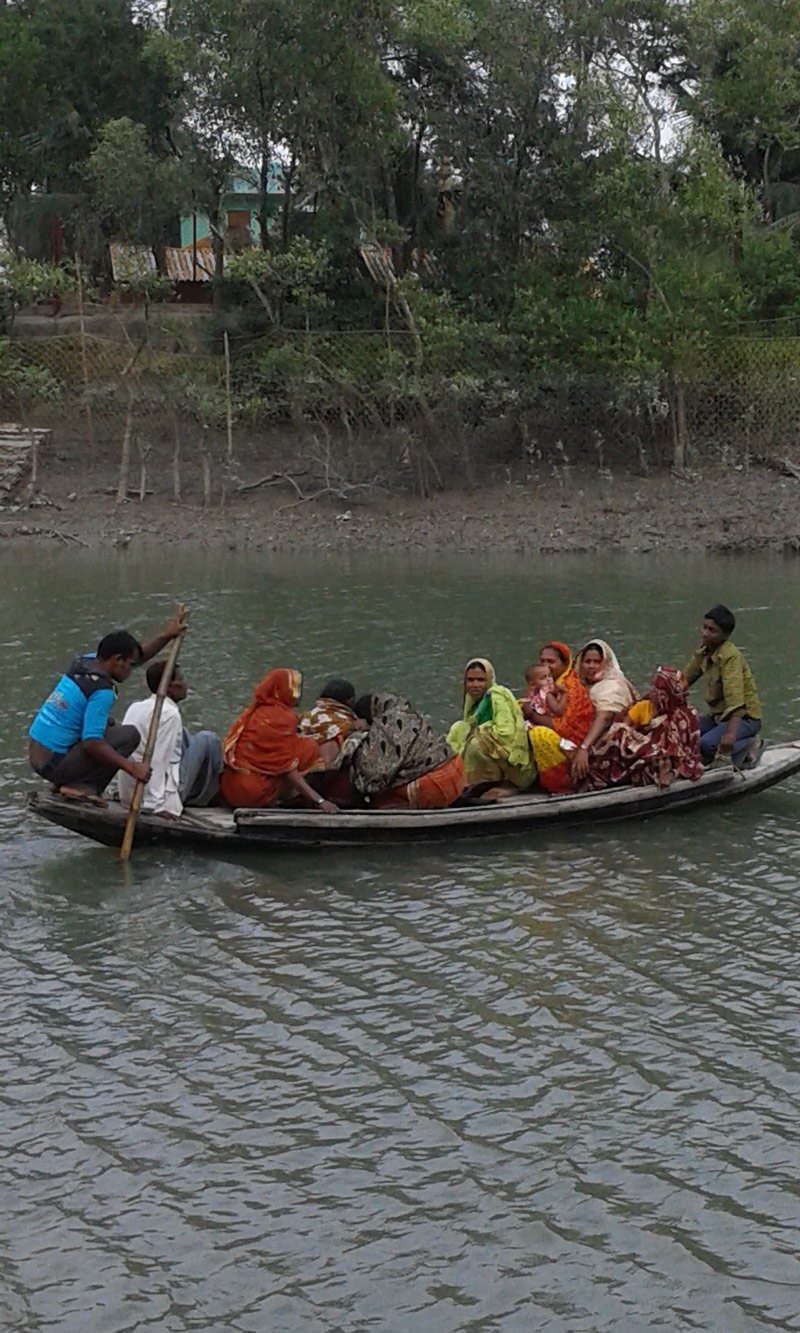
    The family hired a van for Rs. 700 for a mere 30-minute journey from their village Rampur to Bayermari village in North 24 Parganas district. “Poor women in our village take the boat to travel to the hospital,” Fatima says. “In high tide it’s very risky. Last year, a heavily loaded boat capsized near Kathkhali during high tide. Some people even died.”

    Fatima’s struggle speaks of the difficulties pregnant women in the Sundarbans frequently face. And this is true for all health concerns – getting medical help is an uphill journey for most people living on these islands.

    The Sundarbans is covered by only a bare patchwork of medical sub-centres – the first contact point for the community with the government’s primary health care system. Each sub-centre is meant to cover 5,000 people. In Paschim Sripatinagar and Purba Sripatinagar villages in South 24 Parganas district, the total population is around 9500 (according to Census 2011). This number will have since grown – so more than 10,000 people are entirely dependent on two ill-equipped sub-centres and a few self-proclaimed local ‘doctors’ for their health care needs.
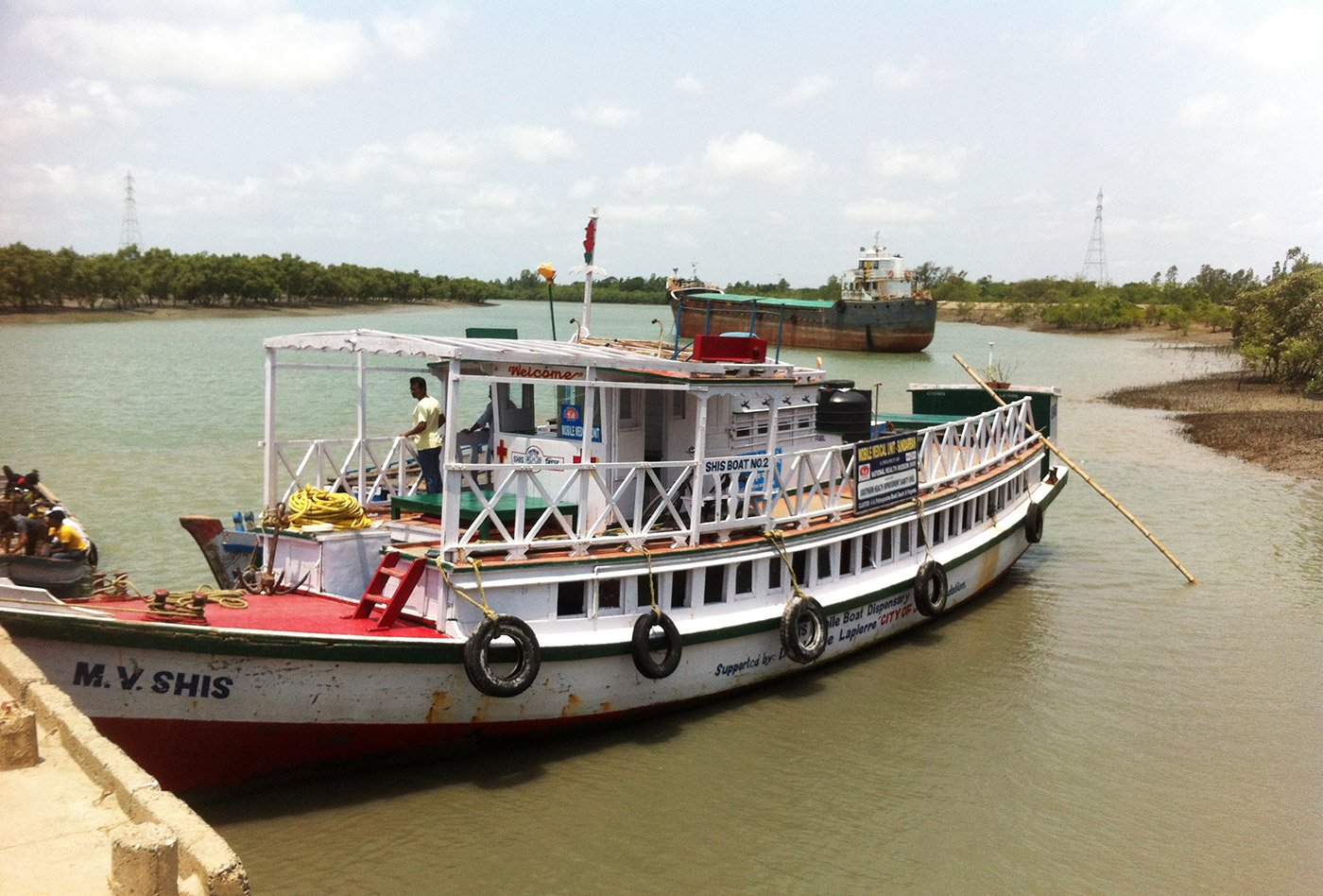
    A mobile medical unit, run as part of the National Health Mission, traverses the waters of the Sundarbans
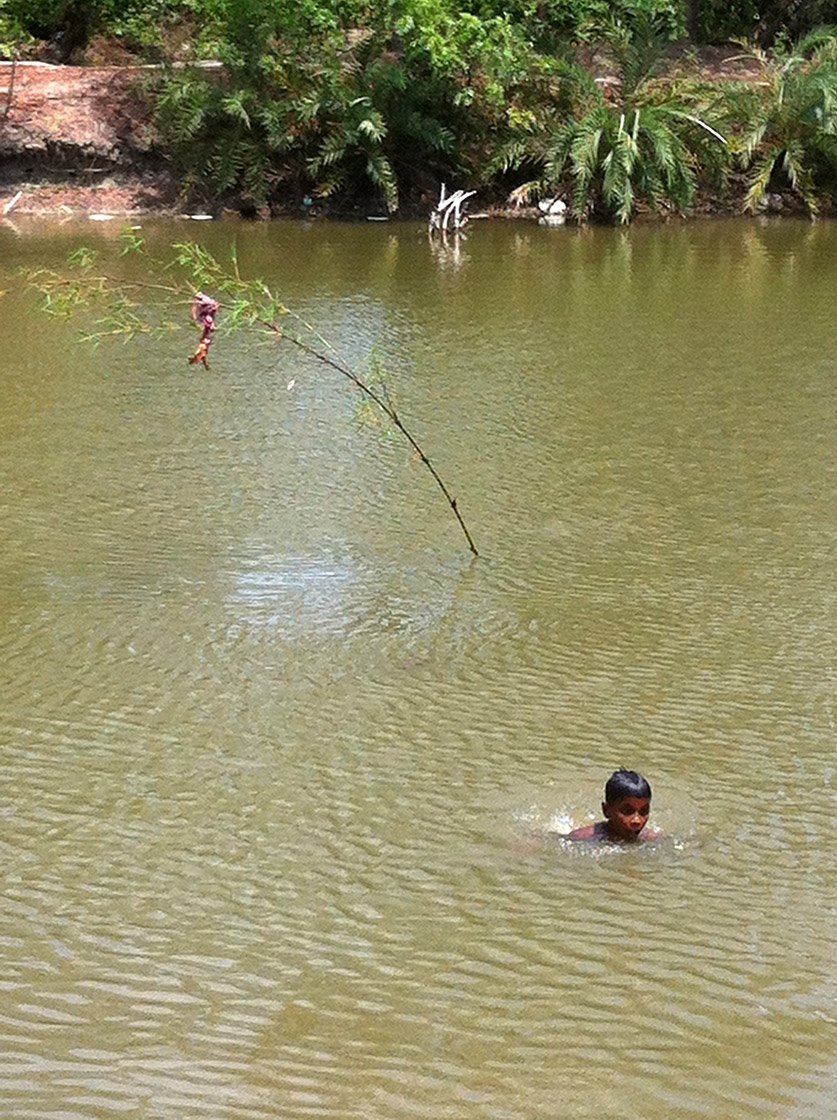
    The high salt content of water in the Sundarbans can cause many illnesses

    This forces people living in villages like Paschim Sripatinagar, located in remote parts of the Sundarbans, to turn to services like mobile medical units. Some of these units are operated on boats that traverse the waters here. On the day of our visit, a handful of ill and ailing people have formed a small crowd just outside a bare room, which will become a clinic for the day. A medical crew has just arrived after a two-hour journey across the river Shibua.  It is Tuesday, the day designated for the unit to visit this village.

    This mobile clinic is a part of the National Health Mission. The Southern Health Improvement Samity (SHIS) and other non-governmental organisations operate these units to plug the coverage gaps of the two government sub-centres in Paschim Sripatinagar and Purba Sripatinagar, as well as in other parts of the Sundarbans.

    Fewer than 10 such mobile units operate in the Sundarbans – and the islands have a total population of 4.4 million. But many villagers prefer to visit these temporary clinics because getting to the sub-centres can mean crossing difficult terrain, often only to encounter a shortage of qualified doctors.

    In Paschim Sripatinagar, Asha Das has walked from her home to reach the one-room weekly clinic. When ill, walking across semi-formed brick roads with a harsh sun beating down cannot be easy. She speaks of the difficulties of seeking treatment: “Organisations like SHIS operate clinics on one or two days of the week. On all other days, we are dependent on the sub-centre or on quacks.  The [public] hospital at Patharpratima is nearly three hours away and takes at least Rs. 100 to reach. We need to change at least two boats and vans.  In emergencies we are really stranded.”
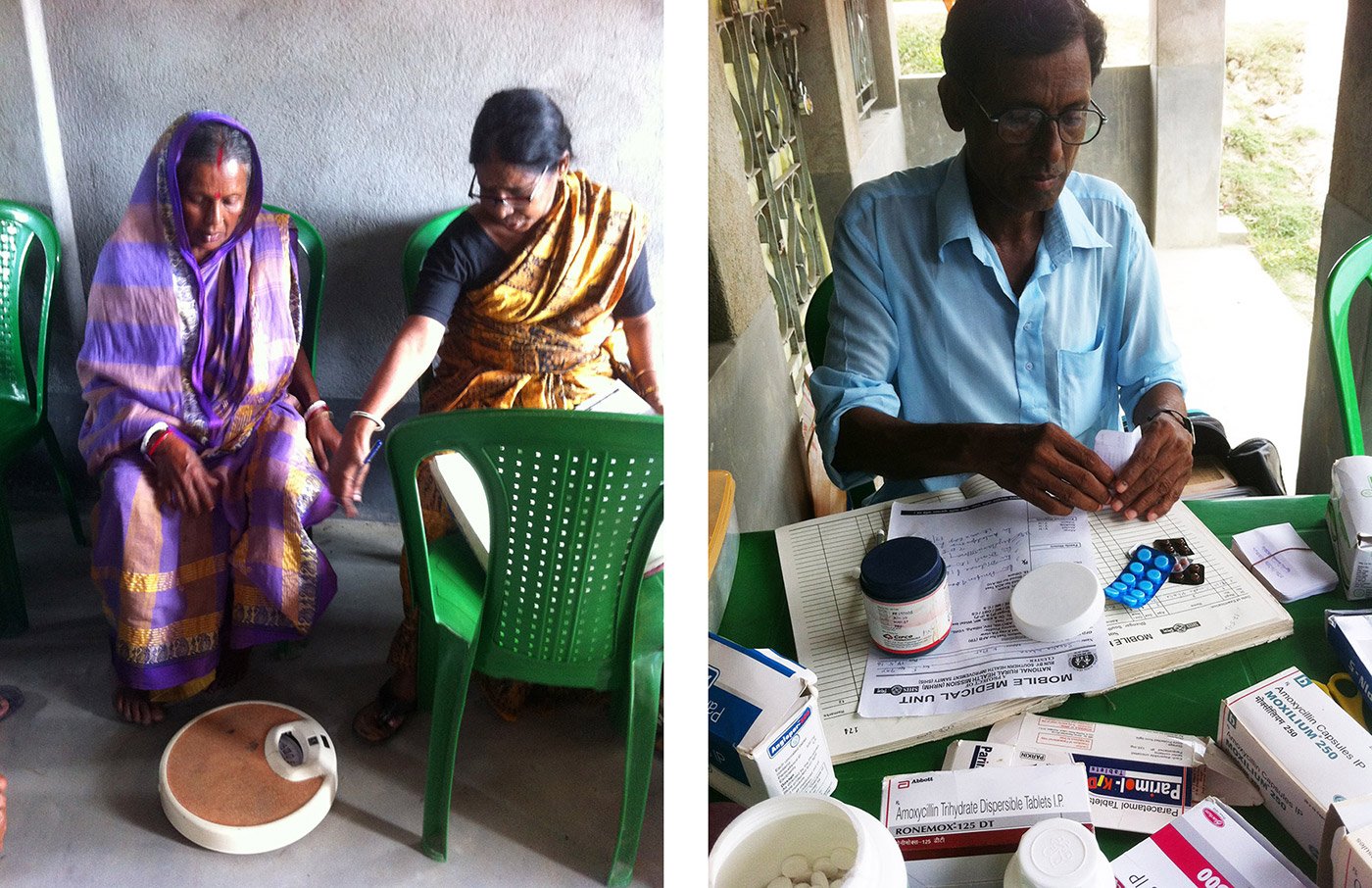
    Nurse Bulu Samanta and pharmacist Pareshchandra Jana of the mobile SHIS clinic at work

    The most common complaints of the people who visit the mobile clinic, Debjit Maity, of the SHIS says, are arthritis, gout, spondylitis, leucorrhoea, scabies, eczema and boils. Dr. Prasanta Roychowdhury, who sees patients at the SHIS clinic, says the high salt content of the water is a key trigger for many illnesses across the Sundarbans.

    He too speaks of the problems with accessing health care across the Sundarbans: “Doctors don’t want to come here, there is little money and no life. The government does not even give them a place to practice in some areas. Why should they come? So local quacks administer to the people in an unsatisfactory way and even occasionally fleece them.”

    And these health care obstacles are magnified for pregnant women. The government sub-centre in Paschim Sripatinagar is located a short distance away from the SHIS clinic. Inside, two ANMs (auxiliary nurse midwife), Mohima Mondal and Lokhi Bor Mondal, sit at a desk. The centre has two tables to examine patients – there is no bed or electricity. Not a single patient has come here that afternoon, the day of the mobile SHIS clinic. The ANMs say, “We ourselves urge people to visit a qualified doctors, like those of SHIS, when they come to the island.”

    At the sub-centre, treatment is available for basic illnesses, and ante-natal and post-natal care for pregnant women – dispensed by the ANMs, a few ASHA (Accredited Social Health Activist) workers and a male nurse. However, deliveries are not performed there. Lokhi Bor Mondal says, “We have to really convince women to deliver at the hospital [since the distance and cost are real deterrents]. Even the panchayat has had to deploy tactics and say that women will receive birth certificates and ration cards only if they deliver in the hospital.”
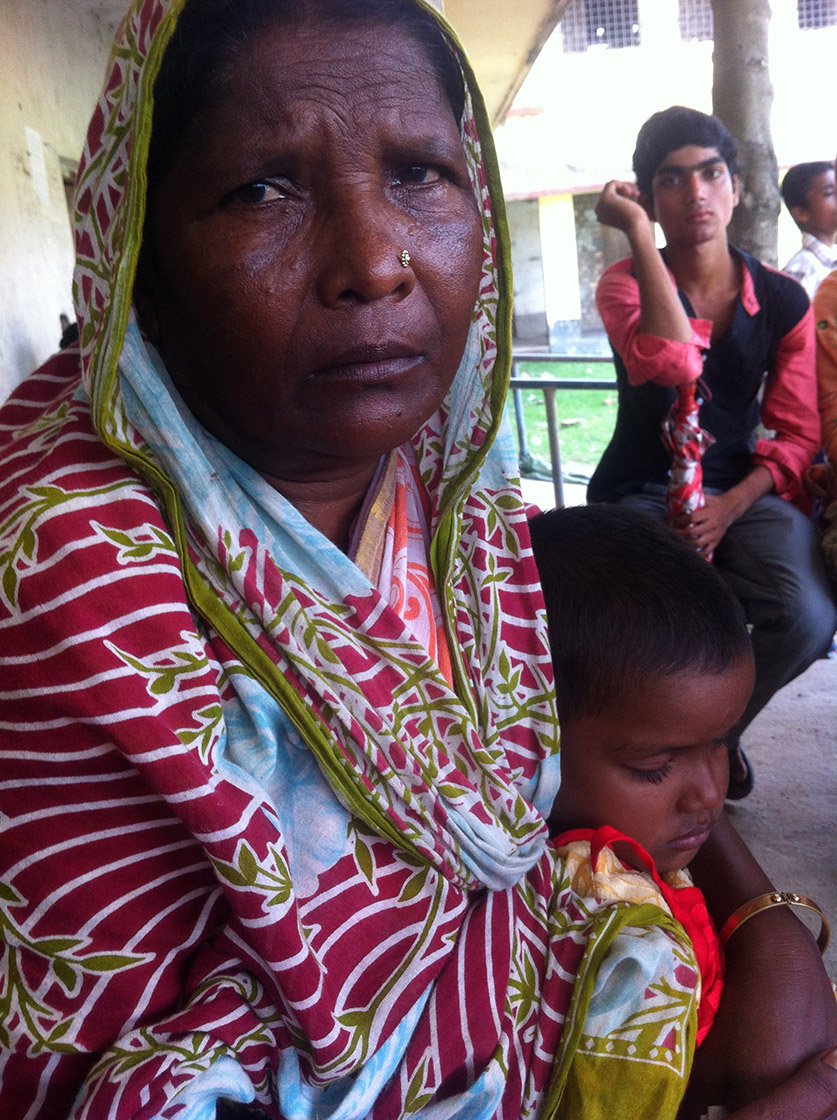
    Hamedon Bibi, a ‘daima’ , and her granddaughter Hosnara Khatun, from Mousuni island. 
    An eye camp in process on Mousuni island

    Hamedon Bibi, who works at the sub-centre in Baliara village as a ‘daima’ [traditional birth attendant], is well over 50.  When she started working 14 years ago, her monthly salary was Rs. 25. Now it is Rs. 550. Her work involves helping pregnant women to deliver their babies. She says, “Why do I not receive coloured saris like the ANMs and the ASHA workers? I work so much, but receive no recognition. I do not even receive lunch or food money.”

    A community delivery centre (CDC), established at nearby Lakshmipur village three months ago, has improved the situation to some extent. CDCs, many of them run by NGOs, promote institutional deliveries. Along with government hospitals, they have made it possible for more women here to get such deliveries. But 55 per cent of babies in the Sundarbans are still born at home, according to a 2014 study by the Indian Institute of Health Management Research, Kolkata.

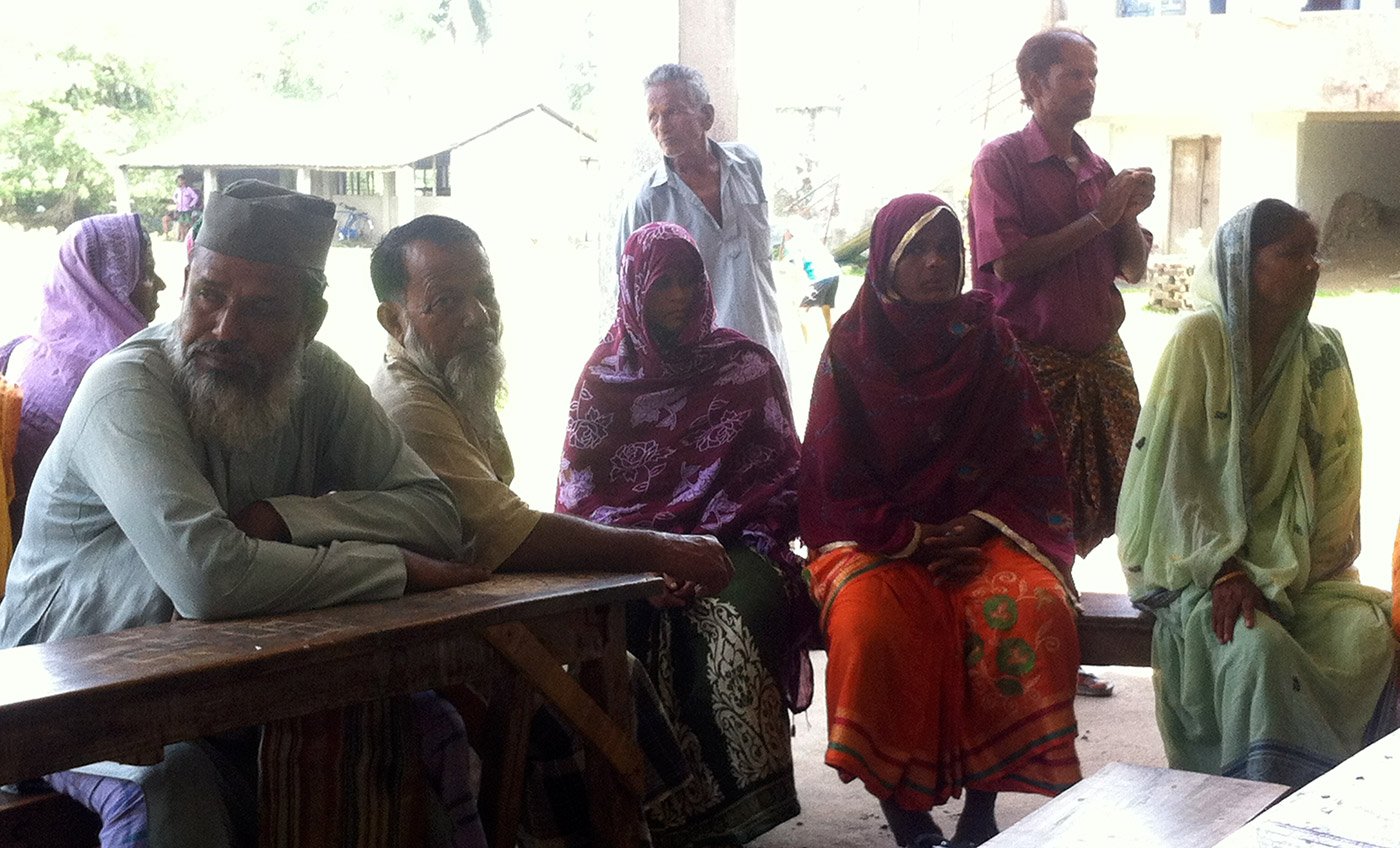
    At times, an NGO fills a few of the health care gaps by setting up a camp. On Mousuni island of Namkhana block, Farida Baig, a villager, is helping set up such a camp organised by the Samaj Unnayan Kendra in a classroom in a rundown school. This NGO also operated a daily medical launch (not part of the National Health Mission) until its funding ran out in 2015. Now it runs occasional health camps, and in May this year it organised an eye camp on the island.

    “The villagers know of the camp because the panchayat made an announcement on a mike,” Farida says. “When we fall ill, we are referred to Dariknagar public hospital which is around 15 kilometres away. But boats are not always available. Sometimes, the hospital has no doctors or oxygen or will not perform caesarean [deliveries]. They then refer us to the Kakdweep hospital, another 35 kilometres away. When pregnant women travel to Kakdweep, they brave non-existent roads and high tides.”

    Patients await their turn to see the doctor on Mousuni island

    And when none these hospitals can help, the islanders go to the bigger hospitals at Diamond Harbour and Kolkata – this involves 5-6 hours of travel and considerable expense.

    Anwar Alam, coordinator of the SHIS’s health programme, feels it is impossible for the government to reach the remotest corners. Talking to me in his office in Ghatakpukur, he says, “How far can they reach? They are also strapped for funds. Whether the mobile medical launches or the CDCs, these are mostly run on the public-private partnership model. The government relies heavily on the assistance of those NGOs which can deliver health services.”

    Debjit Maity adds, “Despite the PPP model, large sections of the Sunderbans in South 24 Parganas district are barely touched by health care – for example, parts of Namkhana, Kultali, Patharpratima, Raidighi, Gosaba and Basanti, and swathes of North 24 Parganas district as well.”

    But Dr. Nilmadhab Banerjee of the Bayermari CDC has a different view: “How long will you blame the broken roads and violent rivers?” he asks. “This situation is not only in the Sundarbans. These are only excuses. There are problems at every level of the health system which need to be addressed, including the challenges that rural doctors face.”

    In the meantime, the people of the Sundarbans continue to take chances with their life and health.

    Photos: Urvashi Sarkar

    Read the original article: https://ruralindiaonline.org/articles/in-emergencies-we-are-really-stranded/
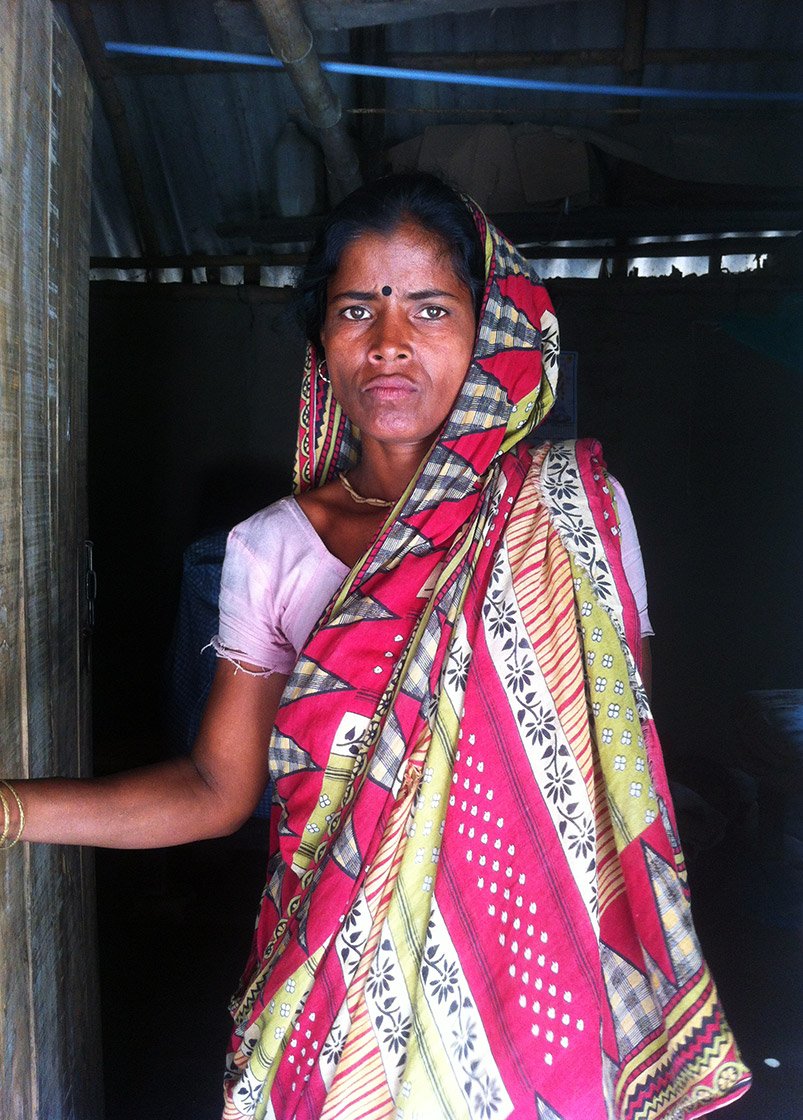
  • Voting in a Sundarbans village

    Published in People’s Archive of Rural India. 19 May 2016

    “The government sees the Sundarbans jungles, but not the human beings who reside in them,” says Gita Mridha, whose husband, a fisherman, was killed by a tiger in February 2012. Despite being eligible for compensation, Gita says she received nothing; several other women in her village too did not receive compensation after tigers killed their fishermen husbands.

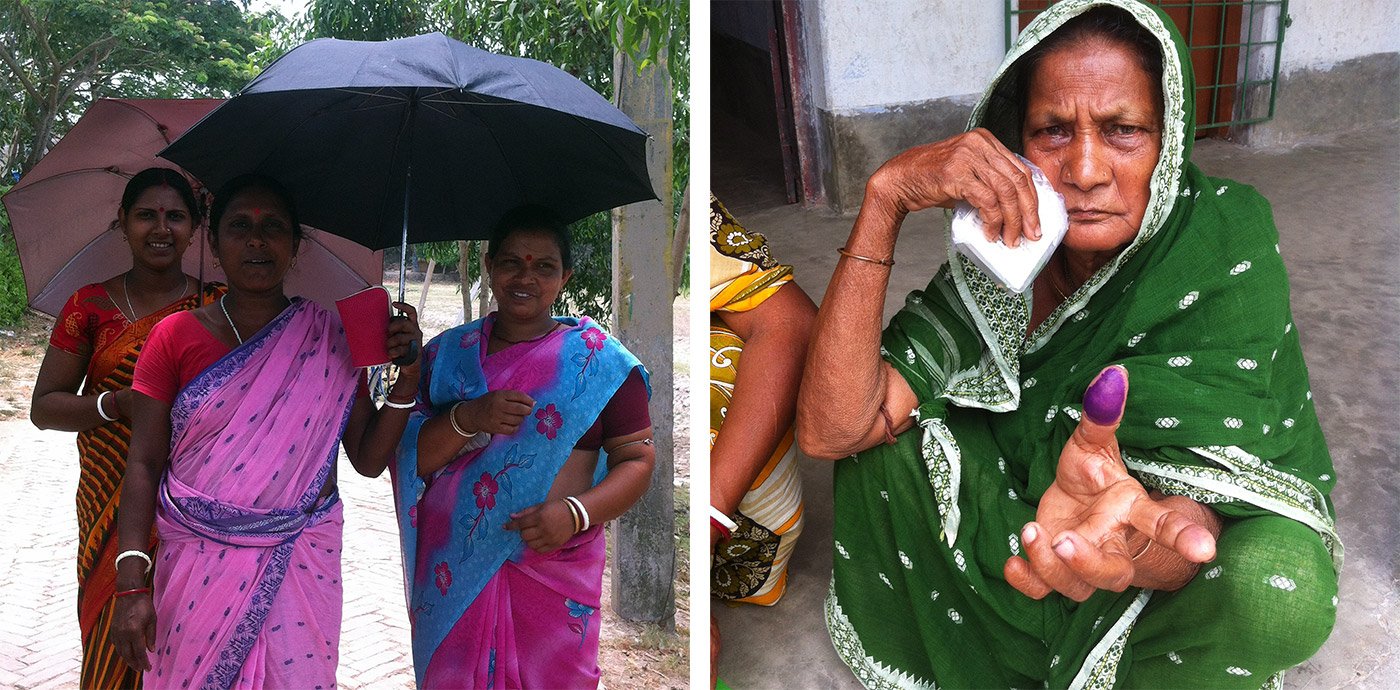
    “They do not forget to ask for your vote,” she adds. Gita did cast her vote. “I did my duty as a citizen,” she says. Gita is a resident of Rajat Jubilee village in the Sundarbans.

    ‘I did my duty as a citizen,’ says Gita Mridha of Rajat Jubilee village

    Rajat Jubilee is among 22 villages of the Lahiripur gram panchayat, in the Gosaba block of the South 24 Parganas district. Its population is mainly from the Scheduled Castes (SC).

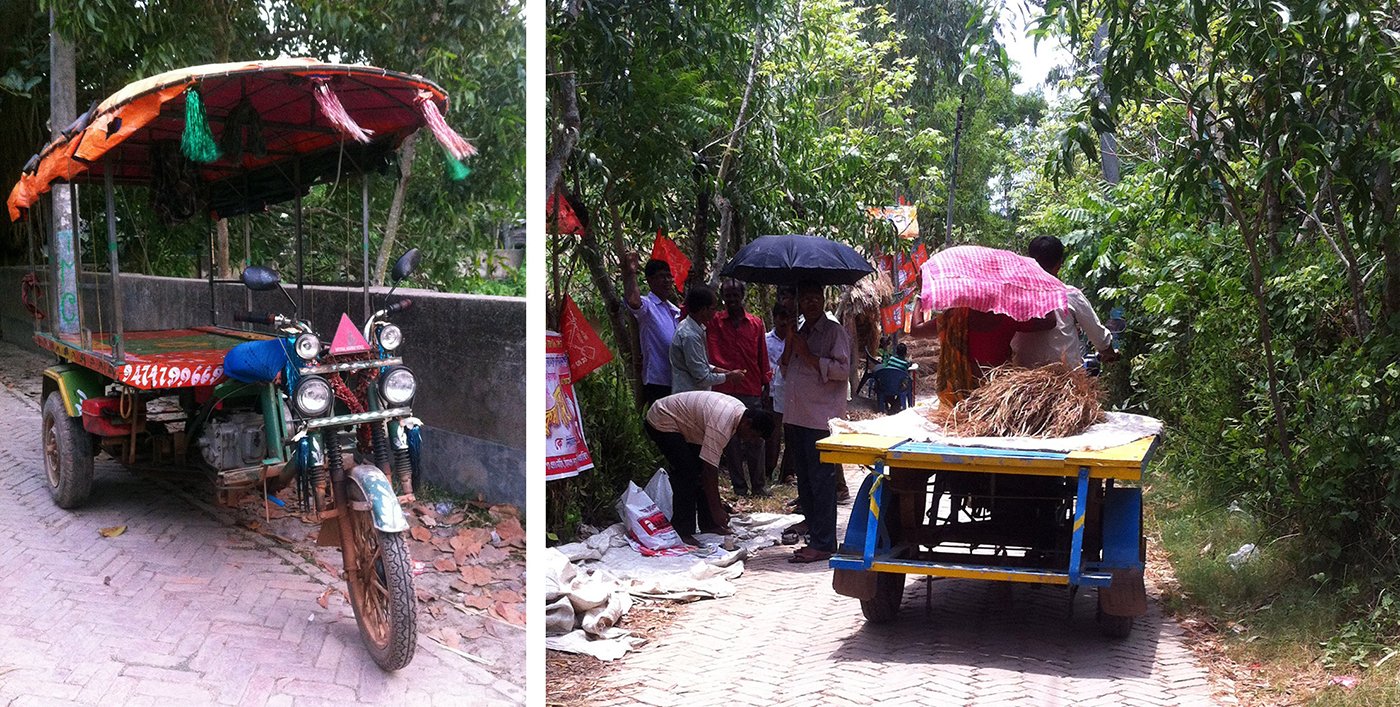
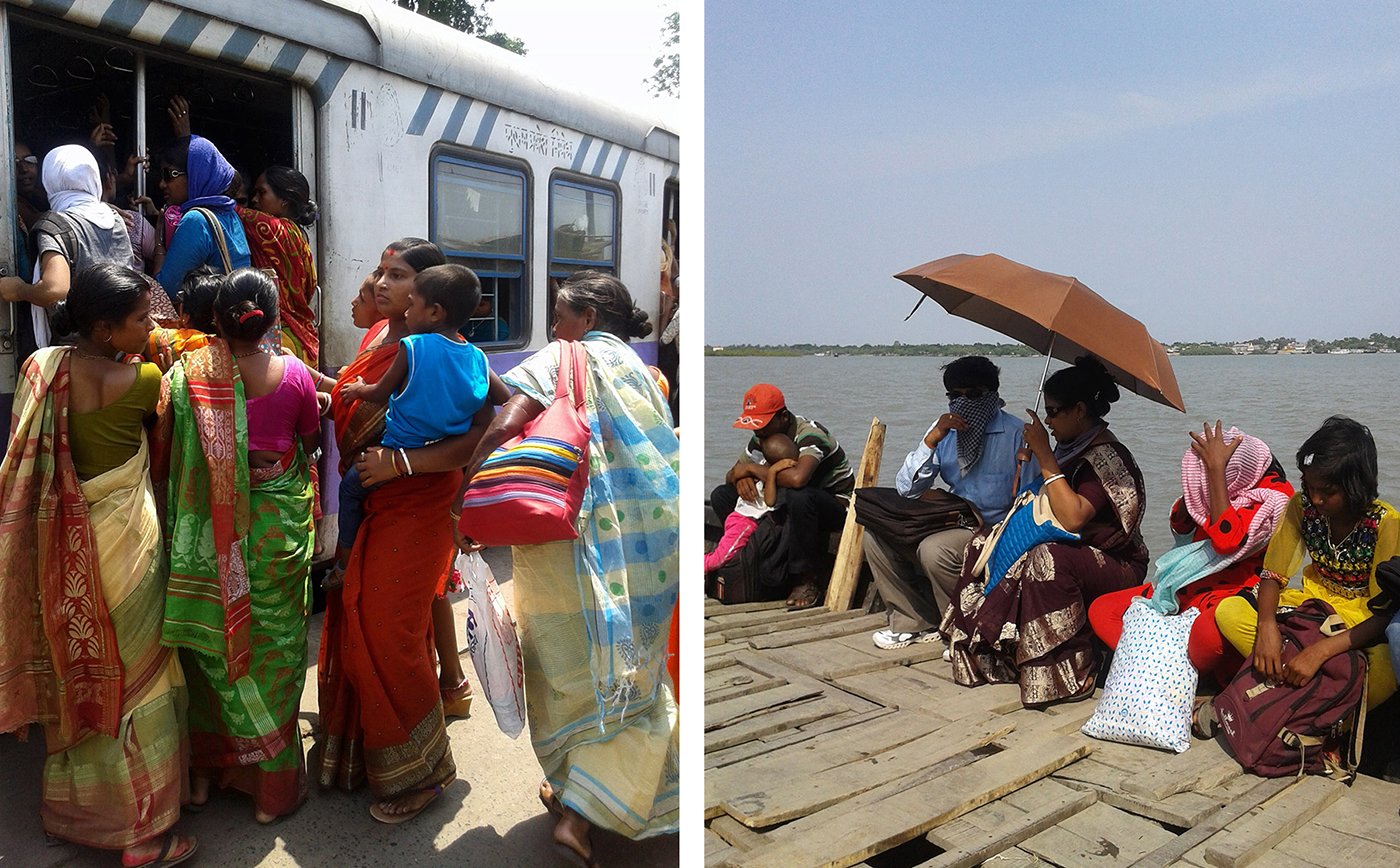
    On April 30, people from Gosaba’s villages voted in the elections for the West Bengal Assembly. Many of them live in areas adjacent to Rajat Jubilee, about 1.5-2 kilometres from the polling booth, which they covered on foot. Some traversed long distances, arriving from Kolkata and other parts of the state by train, boat and van.

    People from Lahiripur gram panchayat’s 22 villages took trains, boats and tractors to reach the voting venue

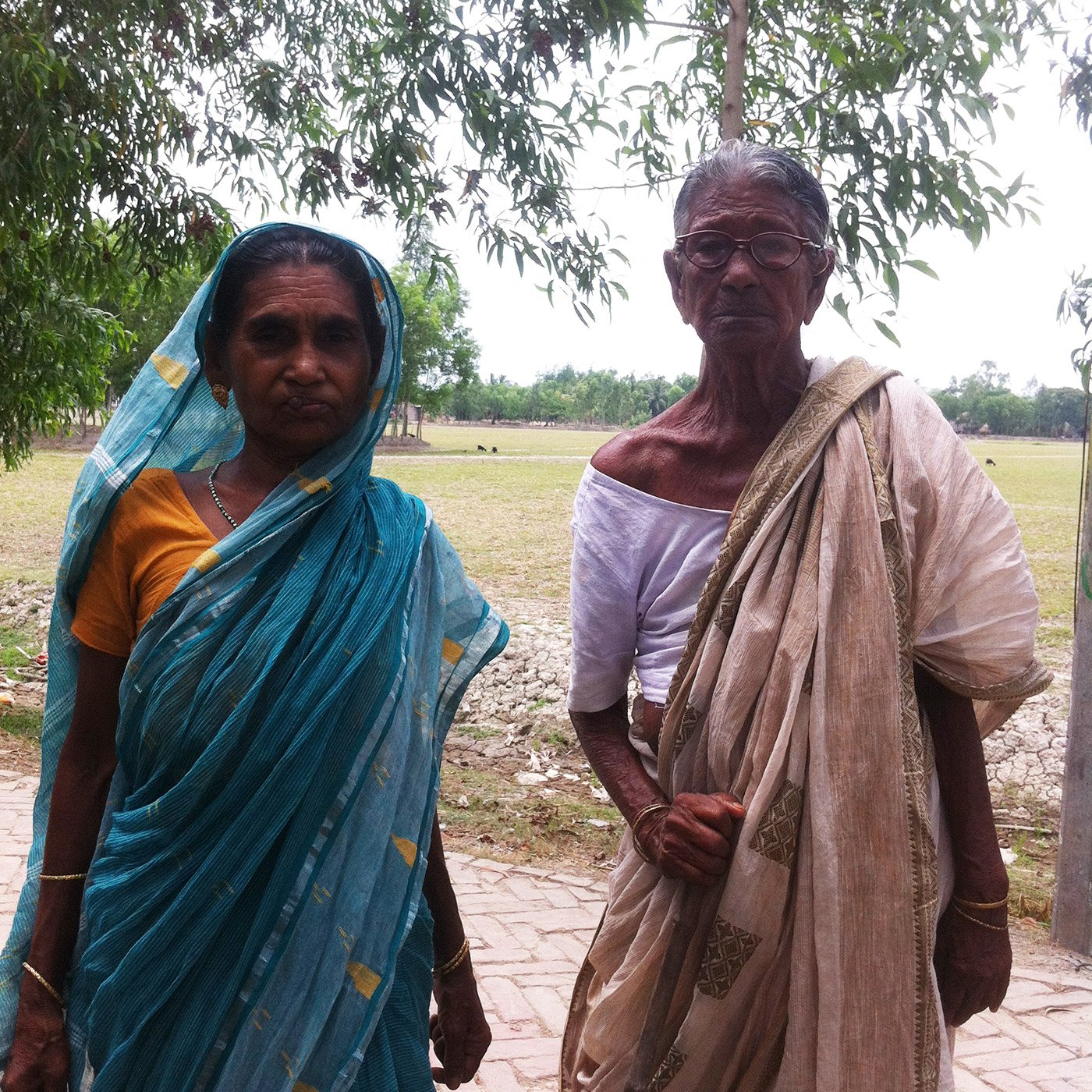
    Voting started at 7 a.m. and continued till 6 p.m. Some, including 95-year-old Phool Bashi and her daughter-in-law Kalpana Mondol, voted in the early hours to avoid the afternoon heat.

    Phool Bashi (right) and her daughter-in-law Kalpana Mondol voted early to avoid the afternoon heat

    Beena Mridha, a resident of Rajat Jubilee, summarised the problems of her village: “There is no hospital here, only a big one in Gosaba. To reach, you need to change two boats and vans. There is the problem of tigers and crocodiles, which kill our people and cattle regularly. We are also not getting good value for our rice, just about Rs. 650 per quintal, whereas the market rate is Rs. 800 per quintal. The government was supposed to buy grain from us, but that has stopped. The food security cards are full of errors, so many of us do not even get our food entitlements. Our roads need broadening and elevating above the river level.”

    Beena also laments the lack of institutions for higher education near the village. “My daughter studies in Kolkata, where we have enrolled her at great expense. There are no jobs here, other than fishing or collecting honey. ”

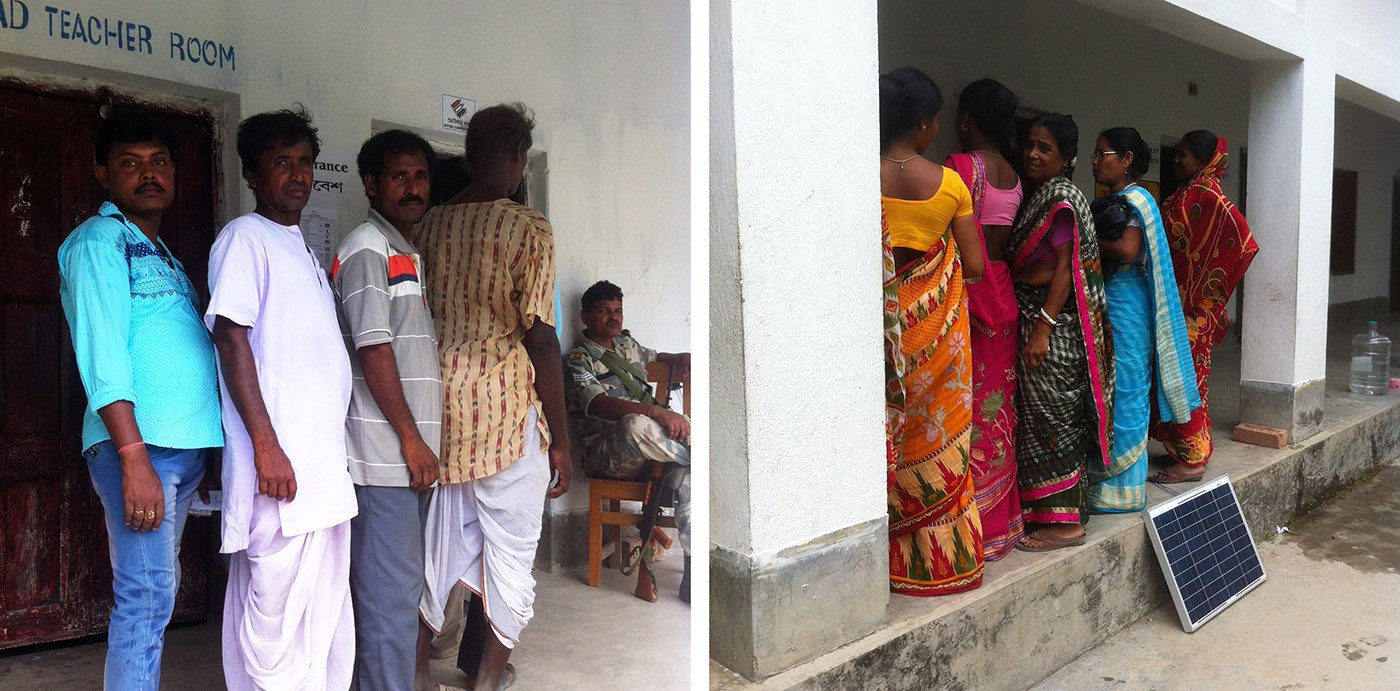
    Polling in process at the village high school; some are done, others await their turn

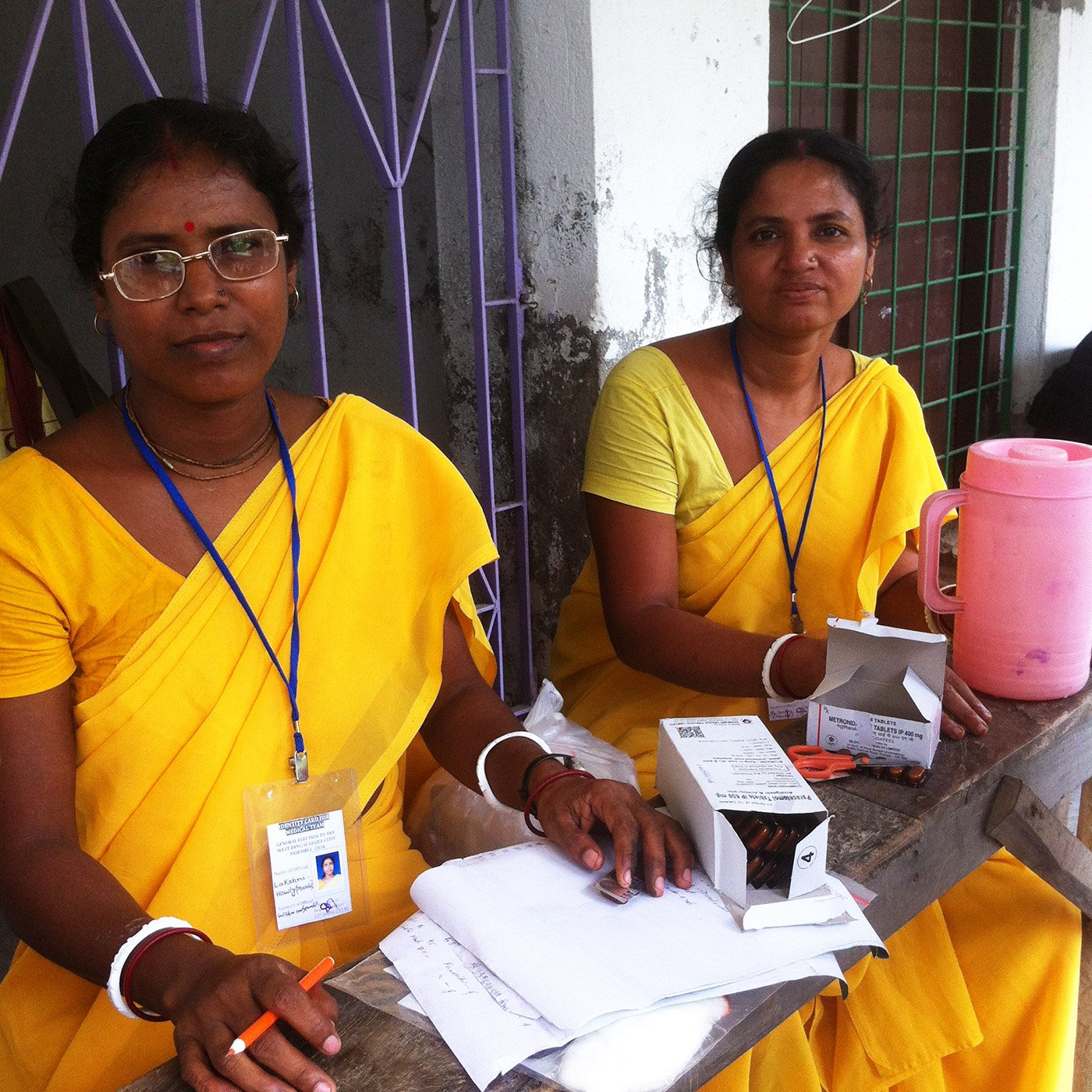
    The polling was held at Rajat Jubilee High School. Inside the school, health workers Lokhi Howly Mondol and Ila Sarkar Mondol from Gosaba hospital were on election duty as a medical team. Lokhi said, “We give ORS [oral rehydration salts] to all voters and medicines to those who feel unwell. Some people also take medicines for the sick in their homes.”

    Both women were at the venue from 7 a.m. to 6 p.m. Were they getting paid for this work? Lokhi said, “We do not know yet [how much we will get]. We will know once our duty is over.”

    On election duty from 7 a.m. to 6 p.m. as a medical team, Lokhi Mondol and Ila Mondol from Gosaba hospital don’t know how much they will get paid for this work

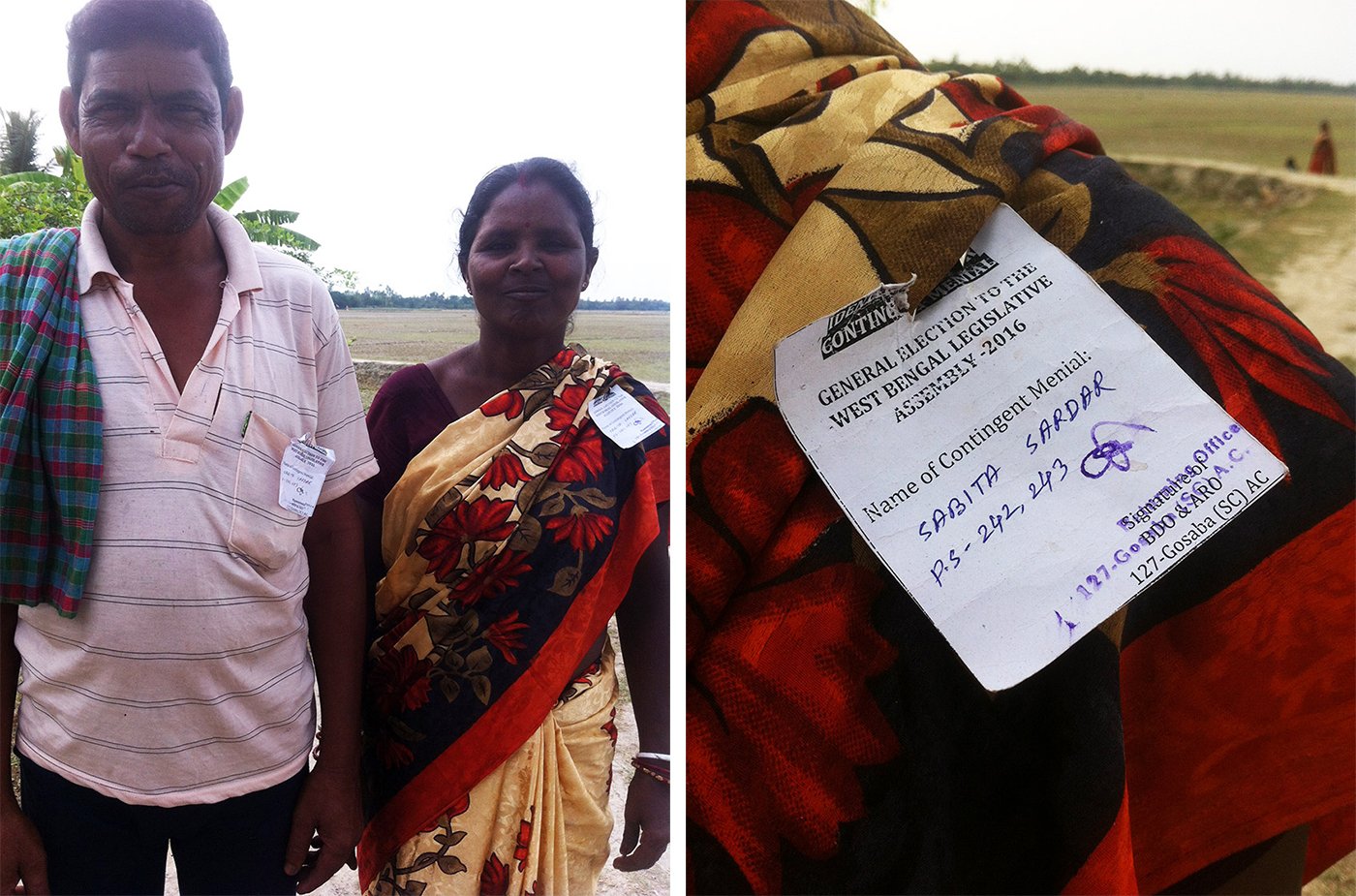
    Vinod and Sabita Sardar, a couple, were also on election duty. Their task was to take care of the needs of polling officers. Vinod said, “The officers need food and refreshments. We bring them tea, coffee and cigarettes. The Sardars belong to the Scheduled Tribes (ST) community and do not own any land. Their election duty designation was, strangely, ‘contingent menial’.

    Vinod and Sabita Sardar attended to the needs of polling officers; both are from a Scheduled Tribes community and were listed for election duty as ‘contingent menial’

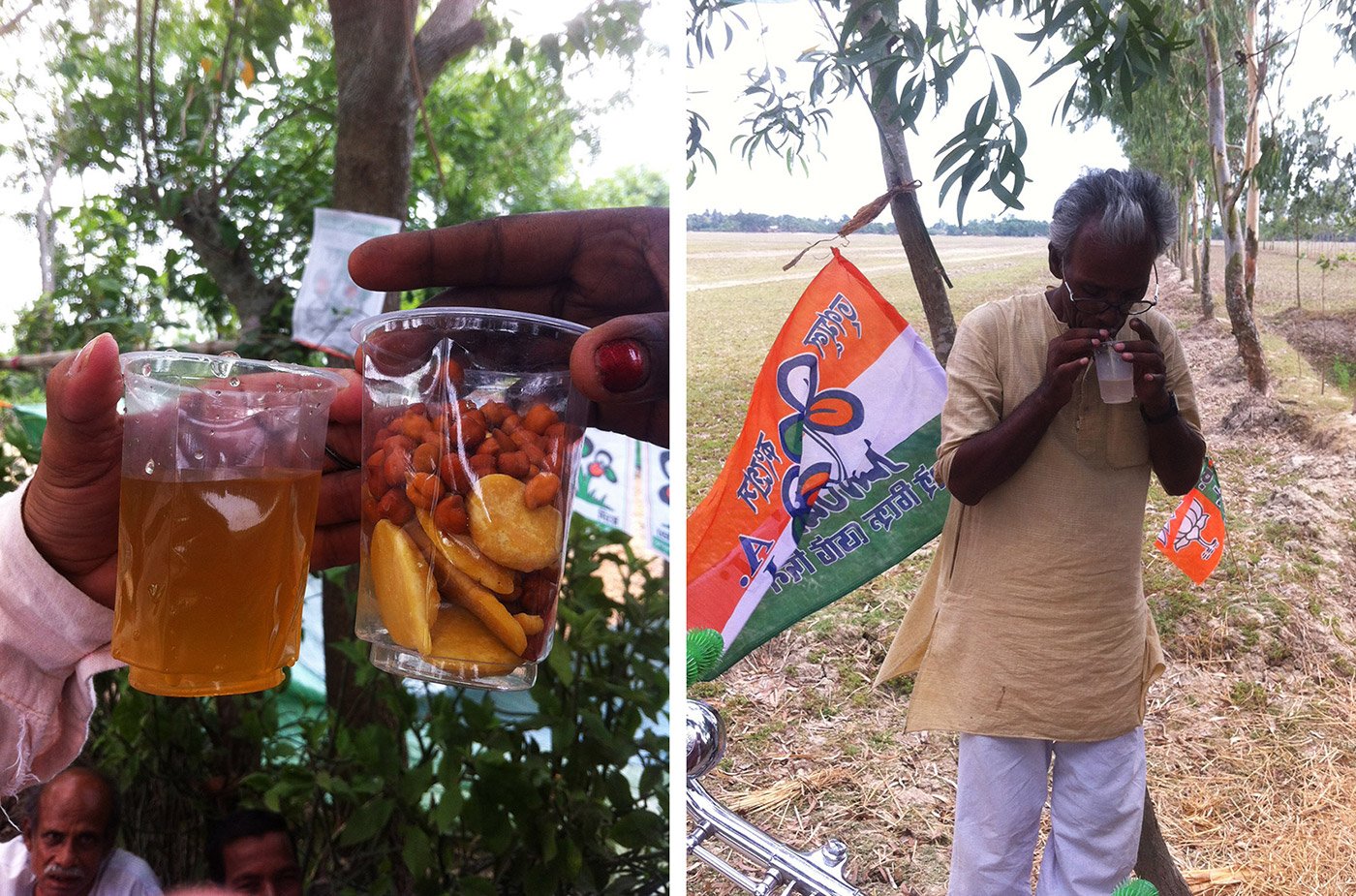
    Coming out to vote in the sultry and humid Sundarbans is no easy feat. For some relief from the heat, locals, some affiliated to various parties, offered batasha drinks made from sugarcane and nuts to voters. Also on offer were paan and bidi .

    Party workers offered cold drinks to the voters for some relief from the heat; Ronojit Burman (right) refreshes himself after casting his vote

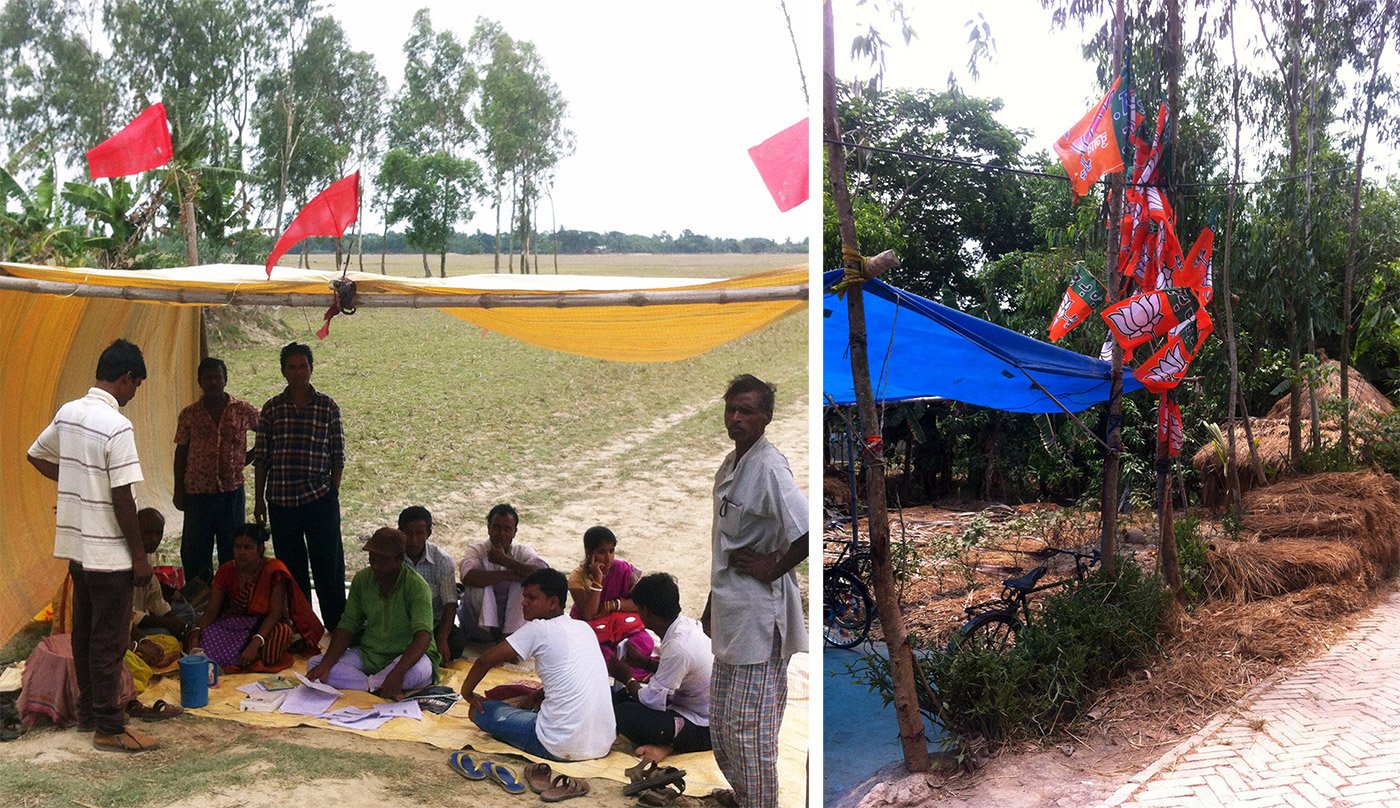
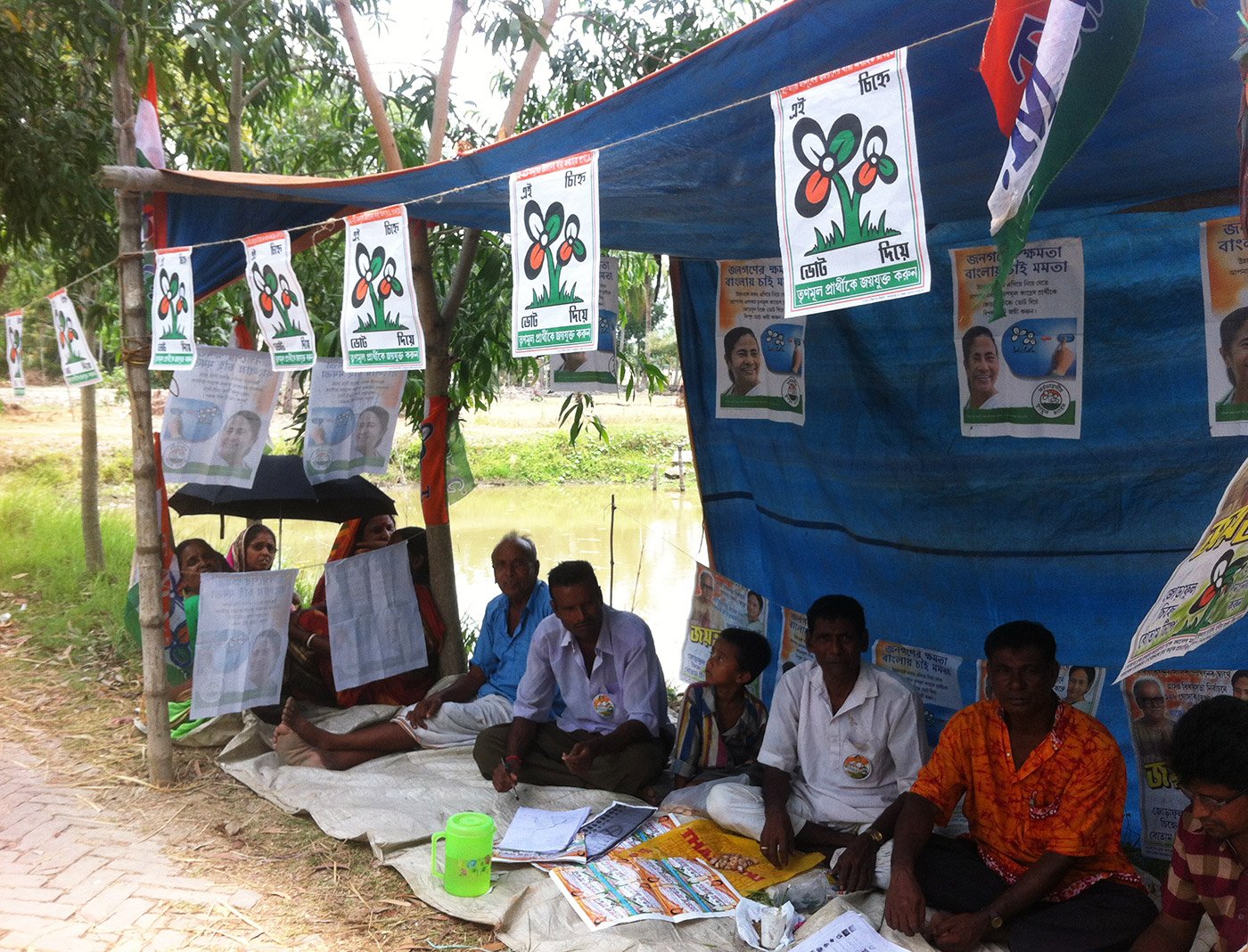
    Political parties in the fray – such as the Revolutionary Socialist Party, the Trinamool Congress, and the Bharatiya Janata Party – set up mini tents where party workers helped voters match their voter identity numbers, and guided first-timers on how to vote. The tents had to be located at least 200 metres away from the polling booth.

    Political parties set up tents to help voters match their identity numbers and guide first-timers

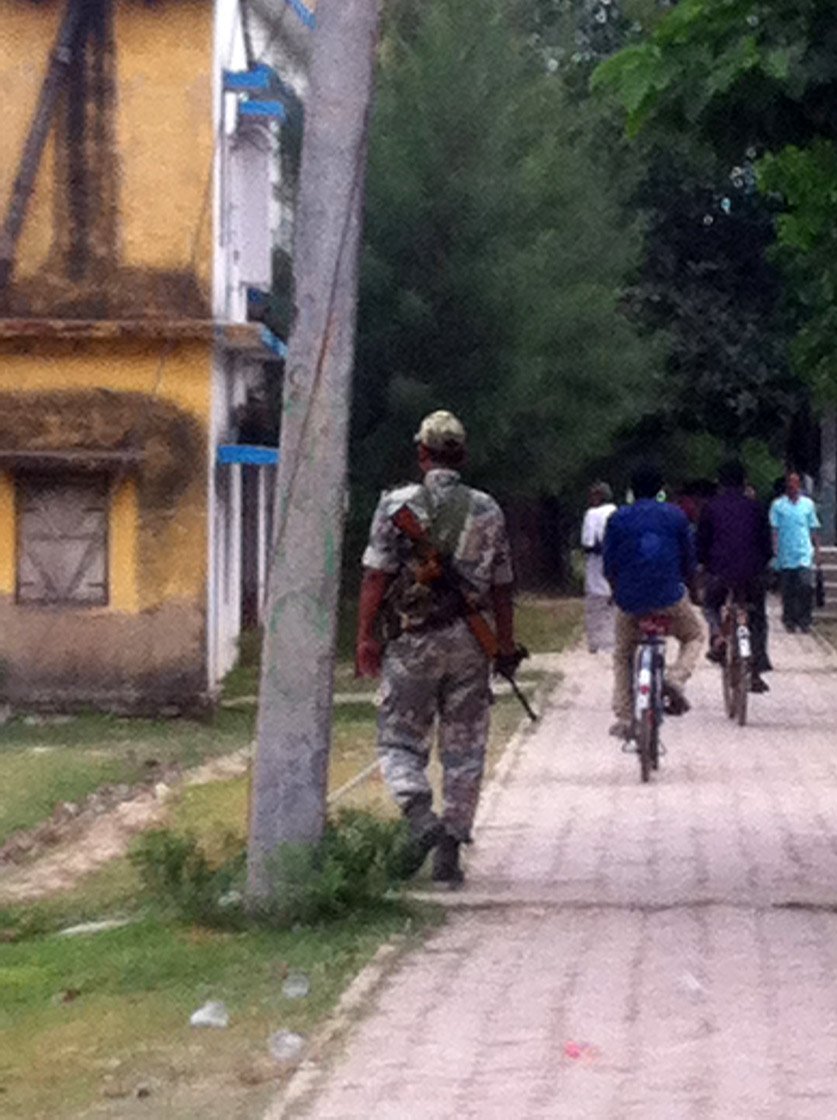
    Central Reserve Police Force personnel were present everywhere, patrolling the village and stationed at the polling booth. They refused to allow their faces to be photographed. One of them said: “We just came out for tea. If you take a picture of us sitting and relaxing under a tree, people will think we are not doing our duty.”

    High-visibility CRPF personnel were on patrol at the village and the voting venue

    Photos: Urvashi Sarkar

    Read the original article: https://ruralindiaonline.org/articles/voting-in-a-sunderbans-village/

  • A right to fish, a fight to live

    Published in People’s Archive of Rural India. 12 March 2015

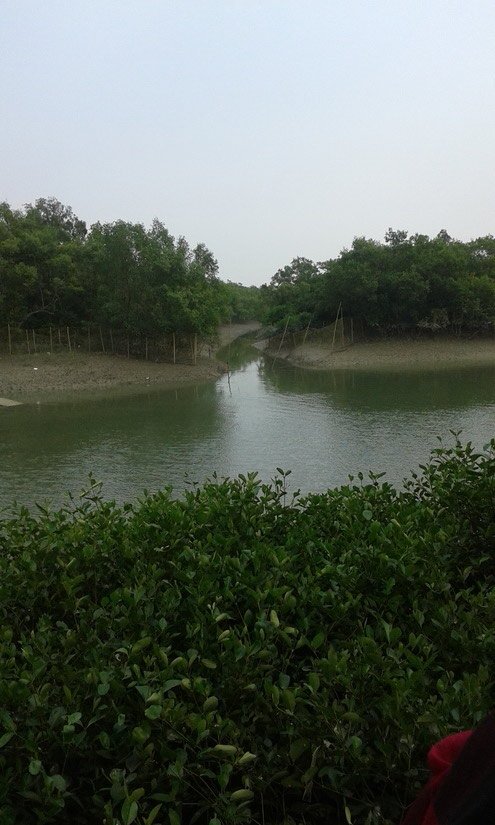
    A tall and lean fisherwoman with a strong face stares at the evening sun fading into the still waters running through Kultali, an island in the Sunderbans forest; Anima Mandal is angry. She hasn’t eaten since
    morning.

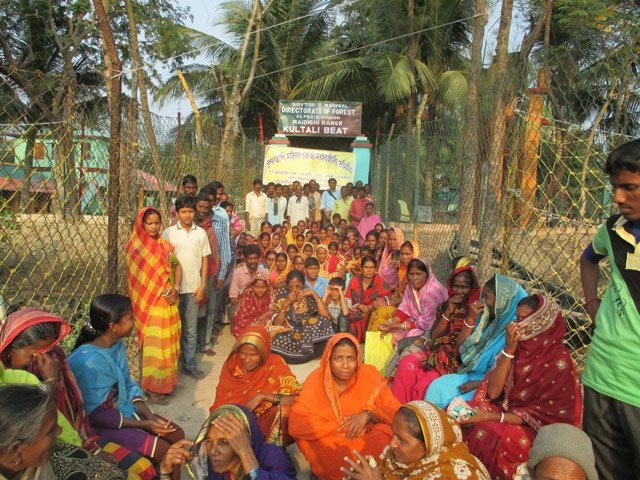
    She was there for a meeting that the Kultali Forest Range beat officer had fixed for 2 pm on February 14, 2015 at the forest range compound in a corner of Kultali, across a river. Nearly 50 women, and a few men, had turned up for this crucial meeting to make two pressing demands – the return of their confiscated fishing canoes (dongas) and for the women to be recognized as traditional small-scale fishworkers, with a right to fish for their livelihood.

    The women, organized under the Kultali Mahila Donga Matsyajibi Samity, had travelled a long way from Madhya Gurguria village – on foot, on cycles fitted with wooden planks and by boat – to make it to their appointment.

    It is already past 5 pm. A number of women begin tracing their steps back towards a dinghy headed homeward: some hurry back to feed and care for the children they’ve left at home and others return home for fear of husbands who could turn violent. Anima and a few others choose to stay back at Kultali and represent the group, determined to get a response from the Forest Department.

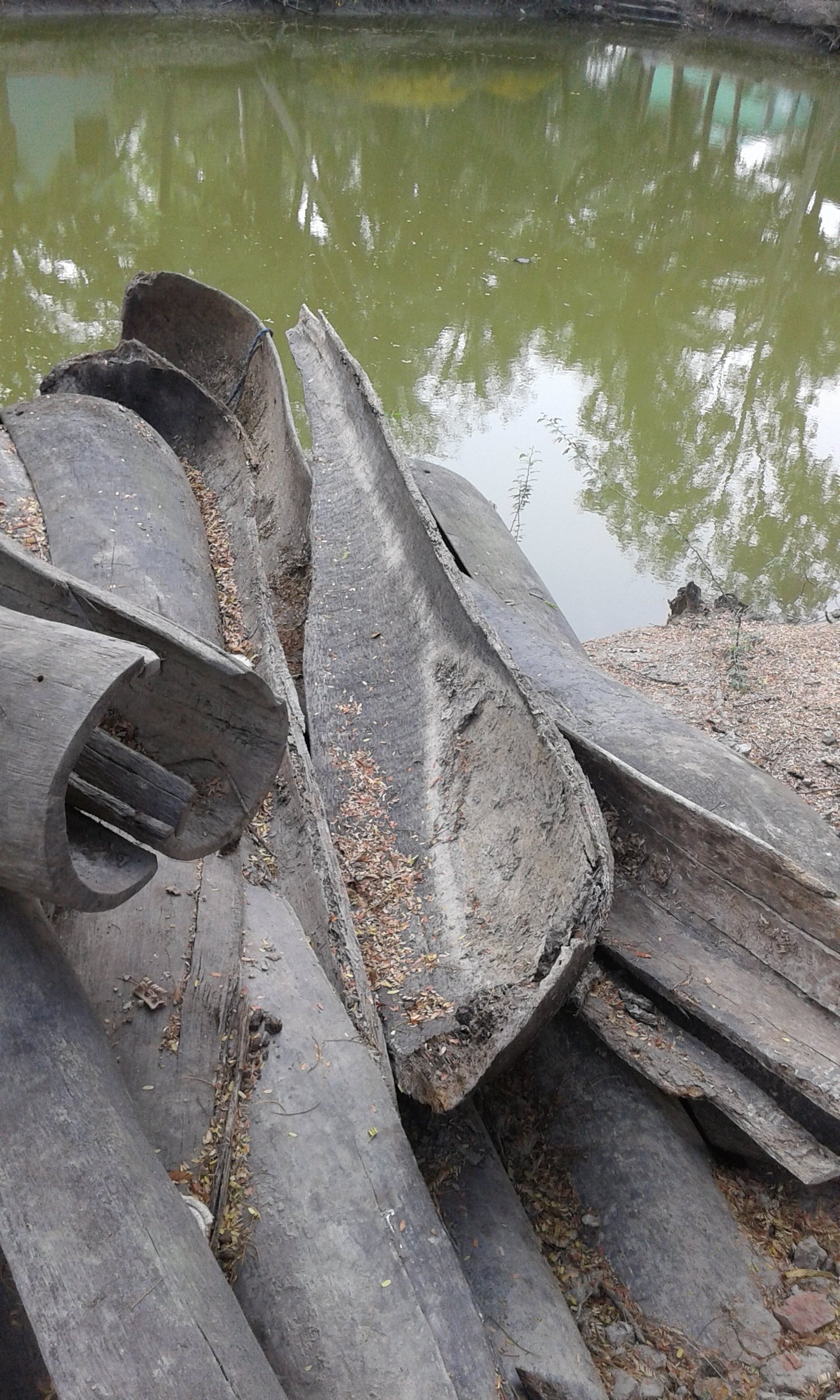
    They walk around the compound, to the edge of a murky green pond, where their confiscated canoes of palm trunk lie stacked. The women are appalled; debris and wood bits from the canoes have started to peel off and mingle with the water. “Our canoes have been broken into pieces and thrown into the water. There must be lakhs of rupees (floating) in this river, ” says Geeta Sahu, a fisherwoman speaking softly. Her indignation, however, is unmistakable, shared by the workers standing beside her, still waiting.

    Sole Means

    The conversation among the waiting crowd turns to input costs: the cost of palm trunks from which the canoes are dug out, the labour cost for chiseling, and the cost for coal-tar coating maintenance, all amounting to about Rs 5,000. Almost every confiscation necessitates this princely expenditure on their part, to build a canoe from scratch. “It can take at least two or three months to gather such a sum. Wooden boats, permitted by the Forest Department, are too expensive to afford,” explains Beena Bag, one of the fisherwomen.

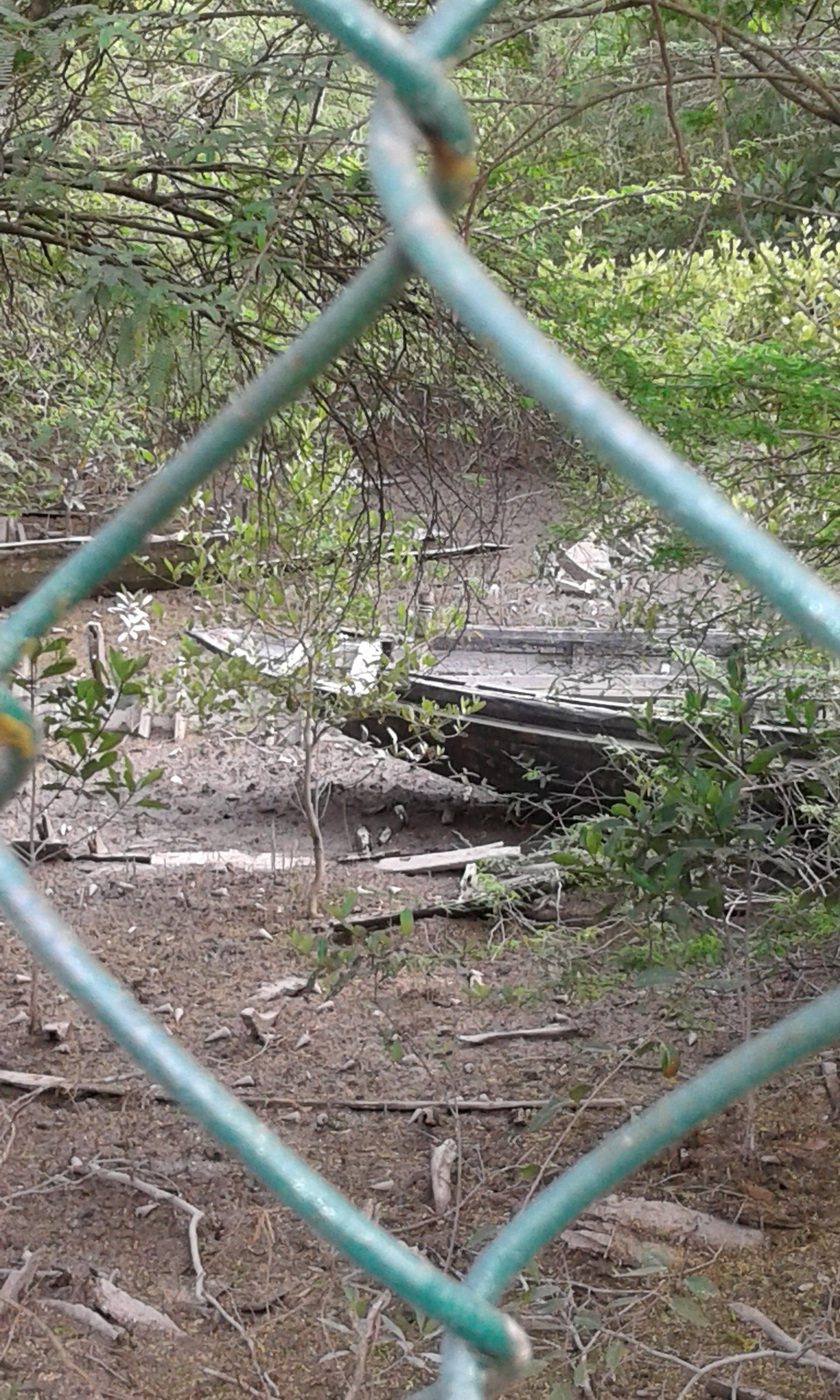
    They walk down some distance and spot a couple of confiscated dinghies, still sturdy, poking out through a mass of trees. The canoes and dinghies are the fishworkers’ only means to catch crab and fish, their sole means to earn a living. By now Anima is fuming: “Why confiscate the canoes and hurt us in the stomach? We don’t earn salaries, you know. This is not Calcutta city, where each month people earn something to be deposited in the bank. Nobody is going to hand me a bag of vegetables to cook. Life is different here.”

    Slice of Life

    Indeed, life is starkly different in the Sunderbans. For Anima, and other fisherwomen like her, the day begins at 3 am. After housework, they take their canoes into the rivers. To make a catch, they wade into cold, chest-level water. Once they have caught the fish, they return home to cook and feed their children. Crab and fish depots are the next stop. The women come here to sell their catch with hope and no guarantees to make a little money. On days there are earnings, they are funneled into immediate household expenses, fishing input costs (if any), and savings for the less fortunate days in the week. Many of the communities here are landless second or third generation fishworkers, entirely dependent on fishing for their survival. And so, what they earn will determine what they buy at the market.

    No Avenues

    Anima was 10 or 12 when she got married. She recently lost her husband to a stroke. “There is no decent hospital here. Even pregnant women need to travel for two hours to Joynagar, where there are hospitals,” she exclaims, frustrated. The number of men in the Sunderbans has declined over time, mainly due to migration for better livelihoods; most move to cities as construction workers or get involved in tiger killings for the profit.

    The women are also bitter about having no stake in the proposed tourism projects in the Sunderbans. “Why won’t they involve us in the tourism projects? It will give us better jobs and a better quality of life. Nobody seems to wants to (positively) engage with us. For instance, the big boats catch fish and crab just like we do, but it is us that the Forest Department goes after.”

    Certified Catch

    If life is not hard enough, the Forest Department’s confiscation of their canoes has ensured that it becomes even harder. The reason cited is that since the canoes do not have a boat license certificate (BLC), granted by the Forest Department, they are therefore not authorised to ply in the Sunderbans; Kultali is part of Sunderbans reserve forest area, preventing the fishworkers from catching crab on their own land, unless they have a BLCs.

    The BLC regime has several problems including a non-transferable nature, the possession of BLCs by those who are no longer fishworkers, a thriving black market, and the non-issuance of fresh licenses. A study on the Sunderbans fishers by the International Collective in Support of Fishworkers (ICSF) outlines these problems in detail. To deter fishworkers, the Forest Department uses methods such as seizing fishing nets; the women complained of receiving threats that glass bits would be mixed into with the riverbank sand, to prevent them from going (as they walk barefoot) to fish.

    “The denial of the community rights of the forest dependent fisherwomen to fish in the forest waters is a violation of the FRA,” says Pradip Chatterjee, President of the Dakshinbanga Matsyajibi Forum. The Forest Rights Act (FRA) is meant to secure the access rights of forest-dwelling people, including sustainable use and conservation of the biodiversity of their home grounds.

    He notes that despite repeated calls, the West Bengal government is yet to notify the FRA in the North and South 24 Parganas Districts: “The failure to notify the Act has resulted in the denial of livelihood rights to forest-dependent people including fishers, wild honey collectors, drywood collectors, and shell collectors (among others), leading to consequent conflicts with the Forest Department.” Implementing the FRA would allow fishworkers to catch crab without BLCs.

    Hope and a victory

    The beat officer enters the scene a little past 6 pm. He speaks with the women of the Mahila Donga Samity
    and members of the Dakshin Matsyajibi Forum. The officer states that the canoes have been confiscated because of their alleged use for poaching. Episodes of poaching involving canoes have been sporadic, the
    women argue, the entire fishing community should not be penalised.

    They promise to act as informers for the Forest Department during instances of poaching, but insist on their right to continue using canoes for fishing. The beat officer agrees not to seize canoes for the next three months, during which time the movements of the canoes will be supervised. He also agrees to take up the issue of the rights of forest-dependent fisher communities with higher authorities.

    When he voices a grouse about the government having to pay compensation when there are deaths caused by fishworkers venturing into tiger territory, he is reminded that fishworkers do not voluntarily venture into tiger territory, but because it is a question of their livelihood.

    By the time discussions conclude, night has already set in. The women are happy to have this victory, even if temporary. They pile into a dinghy that takes them into the dark waters of the Sunderbans. Anima gazes at the still waters and towards home.

    Read the original article: https://ruralindiaonline.org/articles/a-right-to-fish-a-fight-to-live/

  • Hanging by a thread

    Published in People’s Archive of Rural India. 18 December 2014

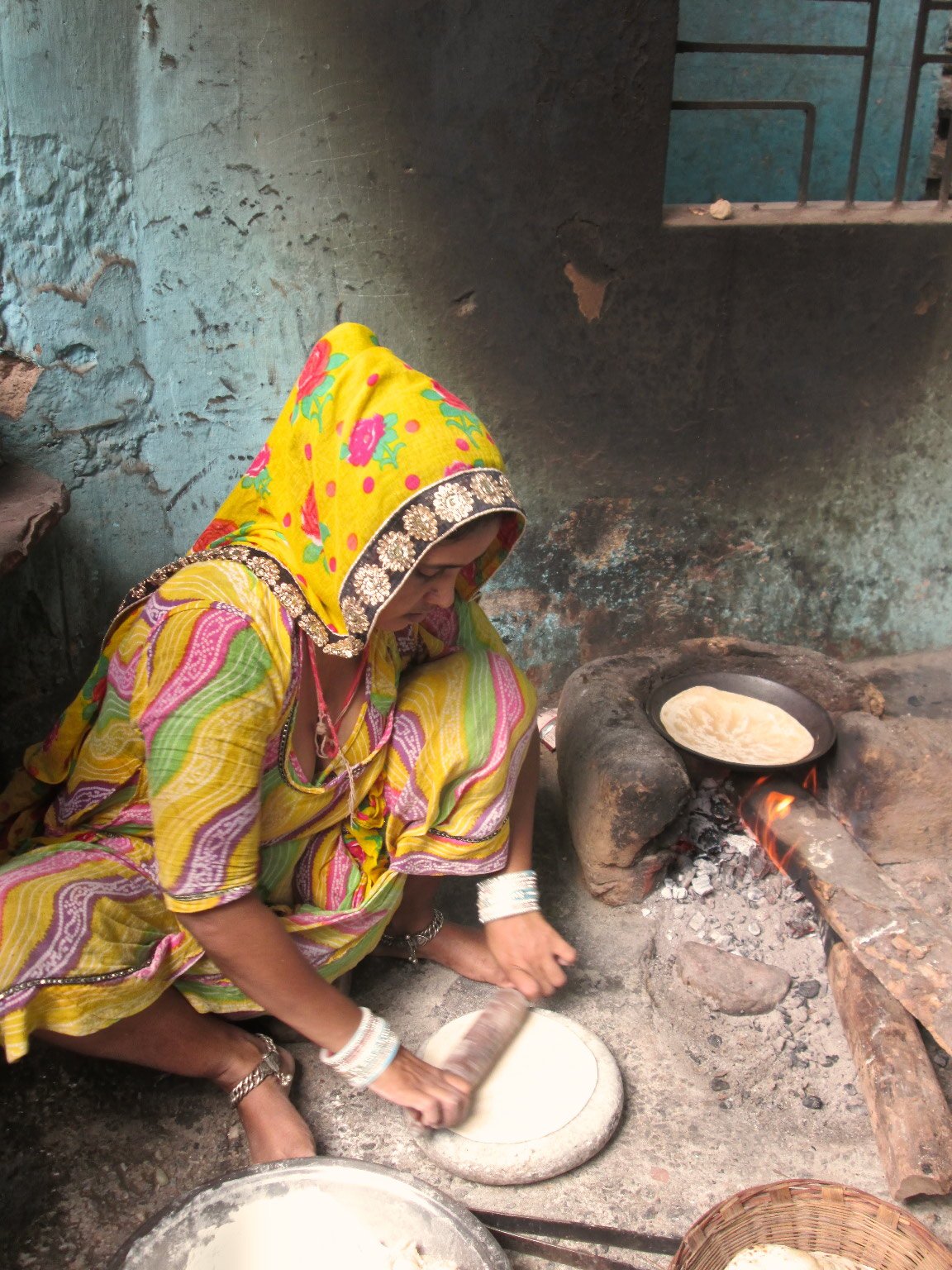
    Dressed in a bright yellow saree with a bunch of pretty white bangles on her wrists, Bimala Bhatt squats in a square area, baking rotis over a smoking chulha (traditional indoor stove).

    After kneading the dough into round moulds, she lightly tosses each circular disc on to a pan. Logs of wood are strewn around, some propped up against the walls – a dirty blue, with the plaster peeling off. Thick wisps of smoke curl over the fire.

    “Food tates better when cooked like this,” she says. Does the smoke not cause a headache or make her otherwise unwell? “ Matke ka paani, aur chulhe ka khana, sabse accha hota hai [Water from an earthen pot and food cooked on a chulha are the best].”

    Though she has access to a gas cylinder, Bimala prefers the chulha . She cooks five kilos of wheat daily, churning out nearly 20 rotis a day. The water is first purified using ‘Pureit’ and then cooled in a big earthen pot.

    Bimala Bhatt does not want to move out of the colony where she has lived for many years

    Away from the daily routine, there are fears about losing land and changing social interactions.“I moved here 30 years ago,” Bimala says. She looks young, her skin is flawless. “I don’t really know my age,” she remarks, smiling wryly.

    Bimala, originally from Rajasthan’s Sikar district, is married into the family of Puran Bhatt, a national award-winning puppeteer. Many families in this colony migrated here from villages in Rajasthan, Uttar Pradesh and Bihar in the 1970s.

    Preserving an art and trying to earn a livelihood

    Puran Bhatt’s house is one of the most well-known addresses in West Delhi’s Kathputli Colony – the Delhi Development Authority’s (DDA) first in-situ slum rehabilitation project. As per the plan, residents have been asked to move to transit camps where they will have to live for two years or more, after which they will be given flats in Kathputli Colony. The flats are to be built by Raheja Developers in a public-private partnership with DDA. Some families, which do not possess land in the colony, are in favour of moving to the transit camps. Those who have land, are wary of leaving – they are sceptical that the promised flats will not materialise and they may lose their land in the process.

    “We have always lived here. Why should we leave?” asks Bimala. She is joined by her 15-year-old daughter Dipali, who concurs: “Flats are closed spaces. We won’t be able to freely meet our friends and neighbours.”

    Dipali wants to have tea; we leave her mother to the cooking and sit in an adjacent room where a little girl with kohl-rimmed eyes and a bobbing ponytail laughs at us gleefully from her spot on the floor. She is the neighbour’s daughter. Children breeze in and out, stare at us indifferently, and leave. The houses in Kathputli Colony are packed together, small topsy-turvy constructions tucked into narrow lanes and meandering bylanes. The overflowing drains and sewage, frequent piles of litter and faeces, and a shortage of water indicate chronic neglect by government authorities. The home interiors are clean by contrast.

    The squalor of Kathputli Colony reflects the indifference of civic authorities

    Acutely aware of the crisis in her community, Dipali explains how plans for an upcoming apartment complex and mall in their neighbourhood will segregate the colony. The apartments, in the luxury segment, will be constructed for sale. “It is as if they want to corner us and hide us. The squalor and poverty should not be seen,” she says, bitterly.

    She takes pride in grandfather Puran Bhatt’s achievements and fame. Dipali has dreams of her own too – of becoming a fashion designer. But she is uncertain. “ Shaadi karne kay liyay bolengay [they will ask me to marry],” she says in a low tone. All her friends are married. She adds more confidently: “We have a lot of freedom in this house. I’m encouraged to study and work.”

    Then, on a happier note, she rambles off about a wedding in her mother’s village, which she frequently visits. “A village wedding is worth watching. You should see the way people dress and dance,” she says. In the blink of an eye, she adds, “You should come too!” Doubts and excuses are not entertained, Dipali stands firm on her invitation.

    Kathputli Colony is known for its prominent artiste community, which has greater visibility and power, compared to other communities involved in tailoring, carpentry, utensil-making, and other occupations. Music and magic, dance and art, all thrive in this slum – performing arts are given serious attention since it is bread and butter.

    Magic is Mohammed Majid’s skill and livelihood. Majid practices in a one-room house precariously perched on an elevation, accessible by a narrow, rickety staircase. His props to engross and enthrall are many – books, ropes, buckets, mugs. Majid is from Alwar district of Rajasthan and has lived in Kathputli Colony most of his life. He recounts the history of his trade: “The magicians from Alwar were initially Banjaras, wandering in search of work. Our trade was picked up in the villages, but there was little scope for a livelihood. Here, in the city, more money is available. We perform at hotels, birthday parties, and other events.”

    Rajesh Bhatt, an enterprising 19-year-old from the neighbourhood, who is in the ‘artiste management’ business, claims that Majid earns Rs. 3,000 for a 30-minute performance.

    If Rajesh, at 19 years, is a budding artiste manager, he has his match in two-year-old Munni, who can already clap in sync to any music. She effortlessly joins a group of older children clapping to the beats of Rajasthani folk songs. A harmonium and tabla, along with an electric guitar, complement the singing. The lyrics are familiar – ‘Padharo Mhare Des’ and ‘Ararara’. Rajesh does not know how old the tunes are: “These songs existed when our grandparents were young, maybe before that too. They probably originated in the villages.”

    Though many of the families migrated to Kathputli Colony more than three decades ago, and much of the current generation is city-bred, their daily practices are a mix of rural-urban characteristics – the cooking, social interaction, marital customs, art forms, attire and ties to the village are all rural in origin, but urban in aspiration and improvisation.

    The churning that the communities in Kathputli Colony are now experiencing is the result of the Delhi government’s attempts to push a model of urbanisation – and the residents of the colony are not convinced about this new template.

    Photos: Urvashi Sarkar

    Read the original article: https://ruralindiaonline.org/articles/hung-by-a-thread/

Urvashi Sarkar – 2026 – All rights reserved.

web things by Studio Goncharov